Material Objects of the Silk Road

These are protruding faces in the Byzantine style in a Umayyad palace in Jordan.

These earrings were found in royal tombs and demonstrates advances in goldworking.
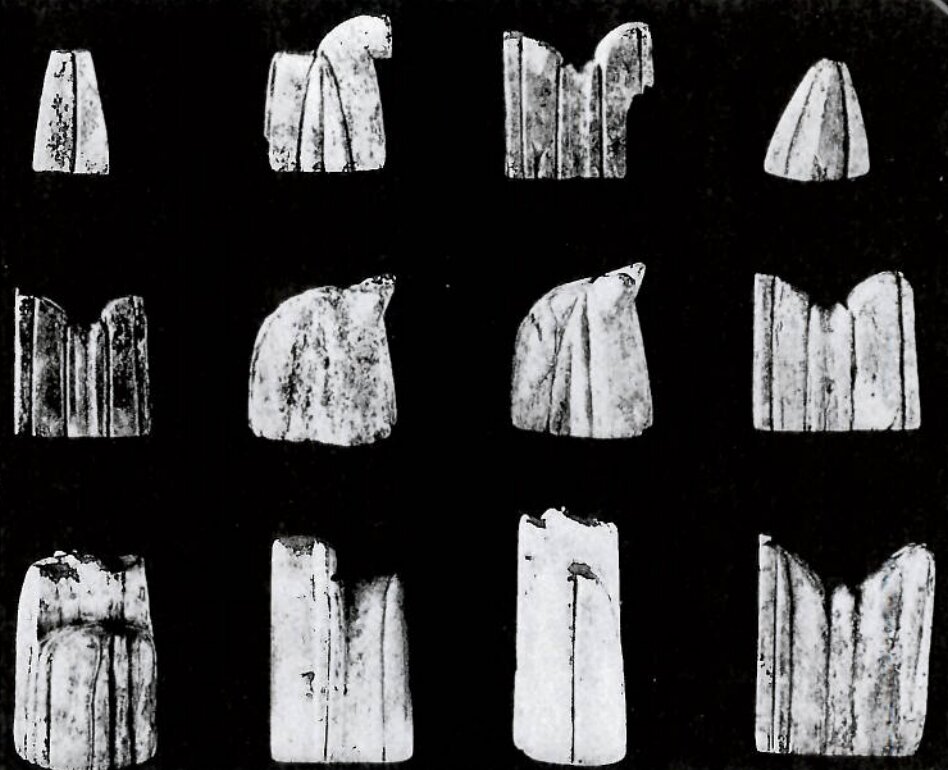
Discusses the origins and meaning of the word rukh.

A twin-courtyard Seljuq caravanserai built in 1114 on the road between Nishapur and Marv, commemorated for its monumental brickwork and royal patronage.

These earrings reflect the culture of the Tang Dynasty, shaped by the trade on the Silk Road.
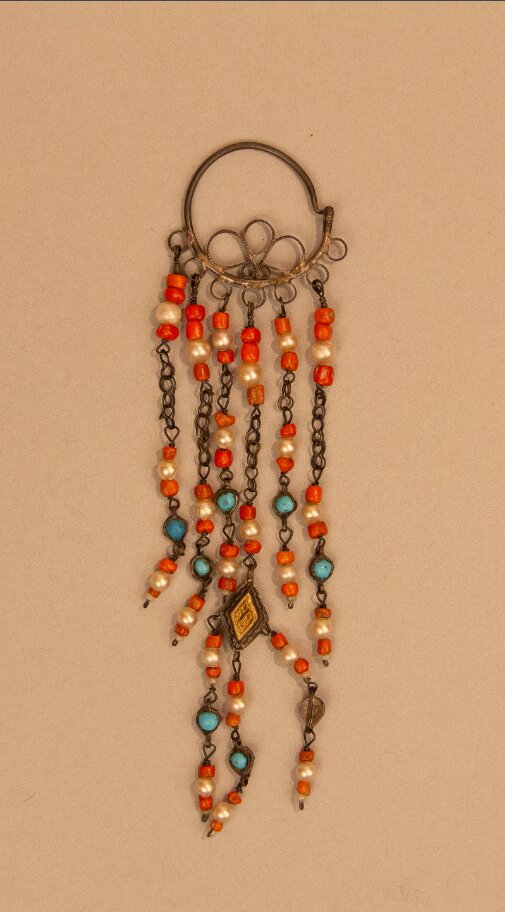
These earrings come from a major Silk Road trade hub that highlights the movement of luxery materials.

This object is folio 434v from the landmark codices known as the Shahnama, or Book of Kings, ca.1530. Titled “Isfandiyar's Third Course, He Slays a Dragon,” by art historians today, it is believed to have been painted by Qasim ibn ‘Ali, an artist from Shiraz active in the Safavid court in the 16th century. Objects such as this show how iconography of dragons could increase the sovereign authority and control of the holder; where scenes of heroic triumph over exotic and dangerous beasts of chaos project ideals of strength, wit, and order.

These earrings serve as a comparison outside the Silk Road, showing how jerelry symolized wealth in other trade systems.

The bas-relief carving located at Ta Prohm, part of the larger temple complex of Angkor Wat in Cambodia, depicts an animal that has been widely described as “stegosaur-like.”

This object is folio 73v from The Wonders of Creation and the Oddities of Existence, attributed to the artist and scholar Zakariya al-Qazwini, created in Wasit, Iraq, in 1280. It depicts a coiled dragon with a long, serpentine form, covered in spikes, appearing like a sea creature. Unlike a narrative-based depiction, this folio presents the dragon as a creature of legitimate intellectual study, situating it within a larger system of cosmological organization.

This image is of a crossbow crafted for a German nobleman

Bracelet fragment of coral and carnelian.
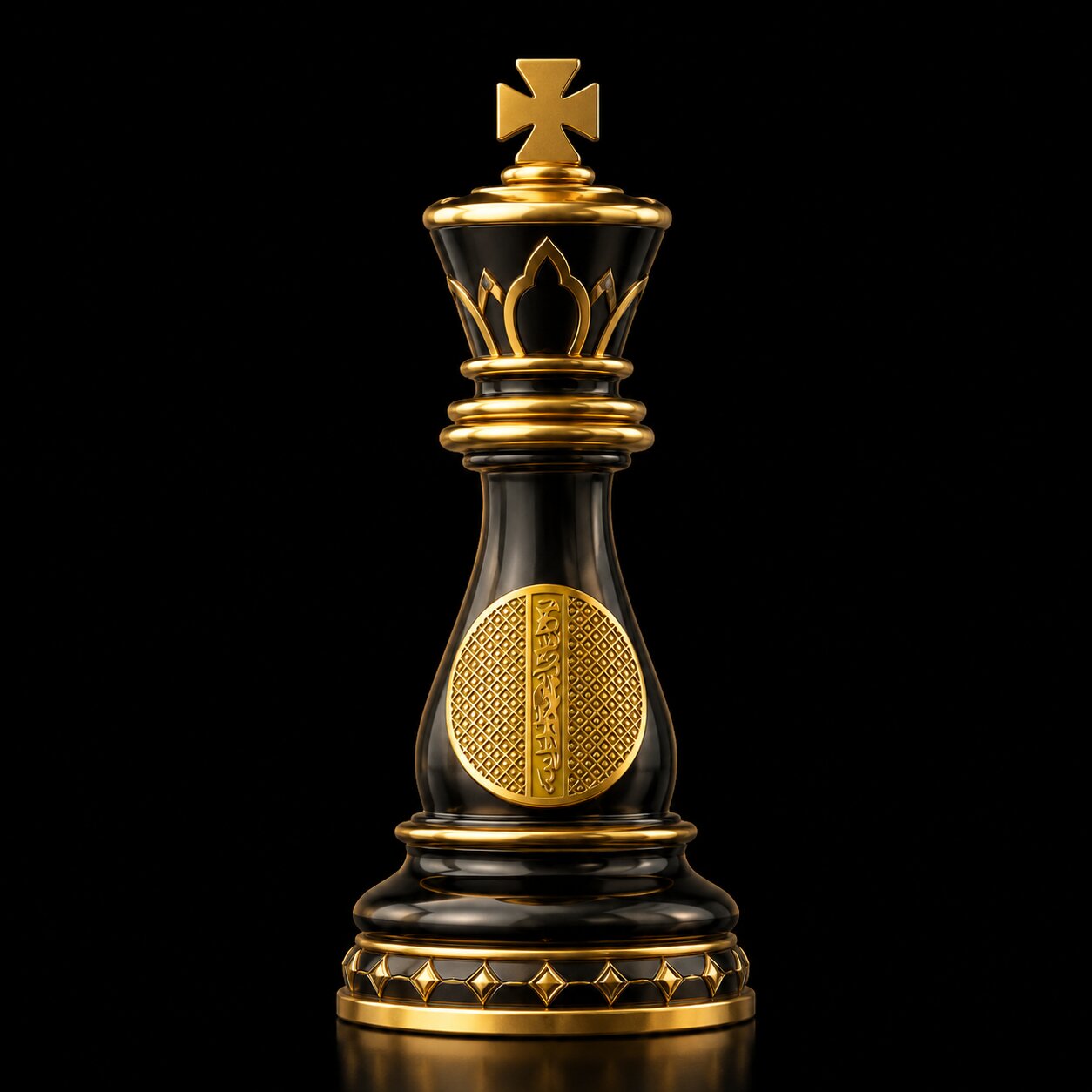
Talks about a Knight found in Kuwait around the 9th century.

A wrestler’s weight showing how athletic training could be connected to physical strength, heroic imagery, and broader Silk Road exchange.
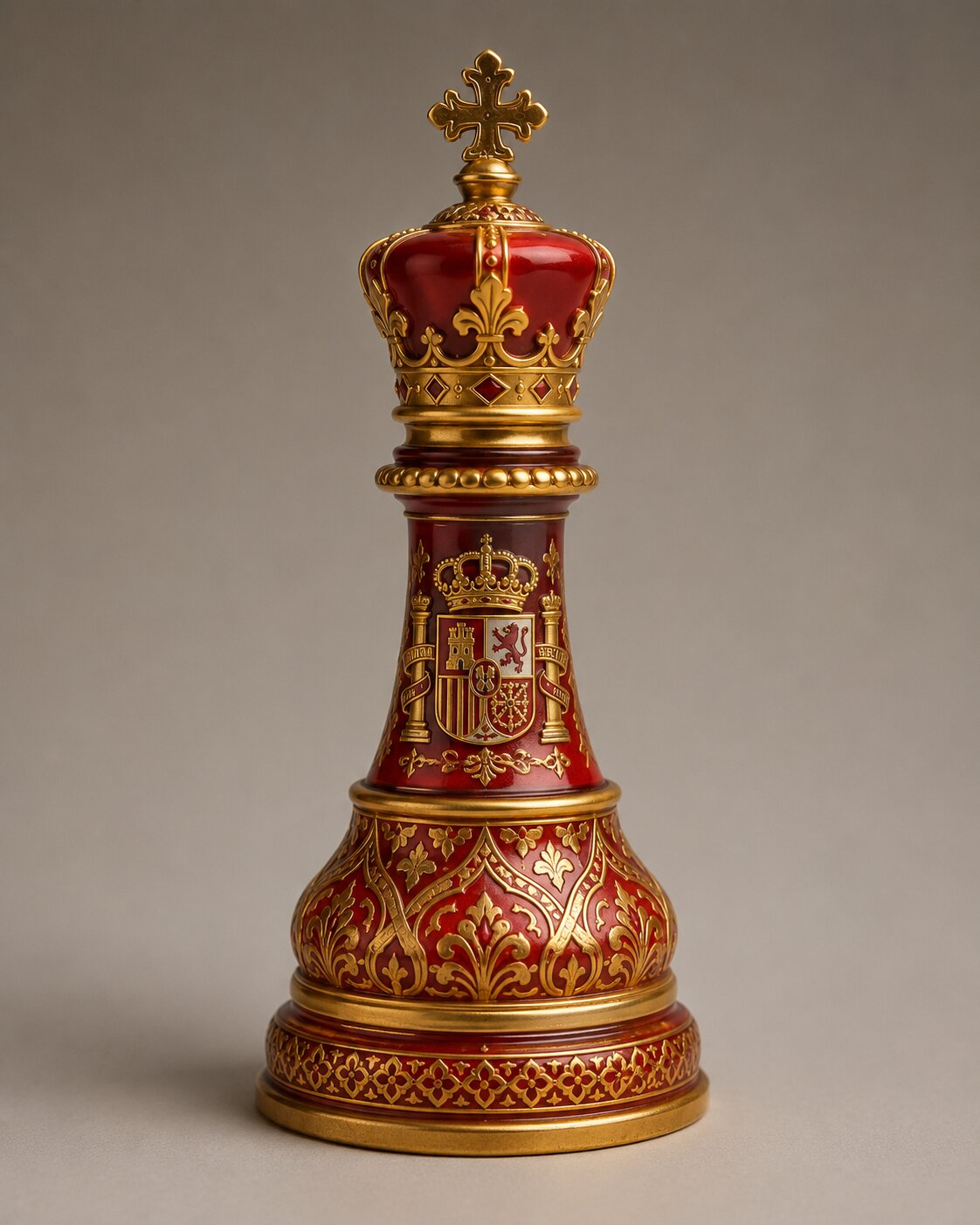
Discusses the playing of a chess match in the 13th century muslim spain.

This dish from the Second Century B.C depicts the Greek mythological characters Apollo and Daphne
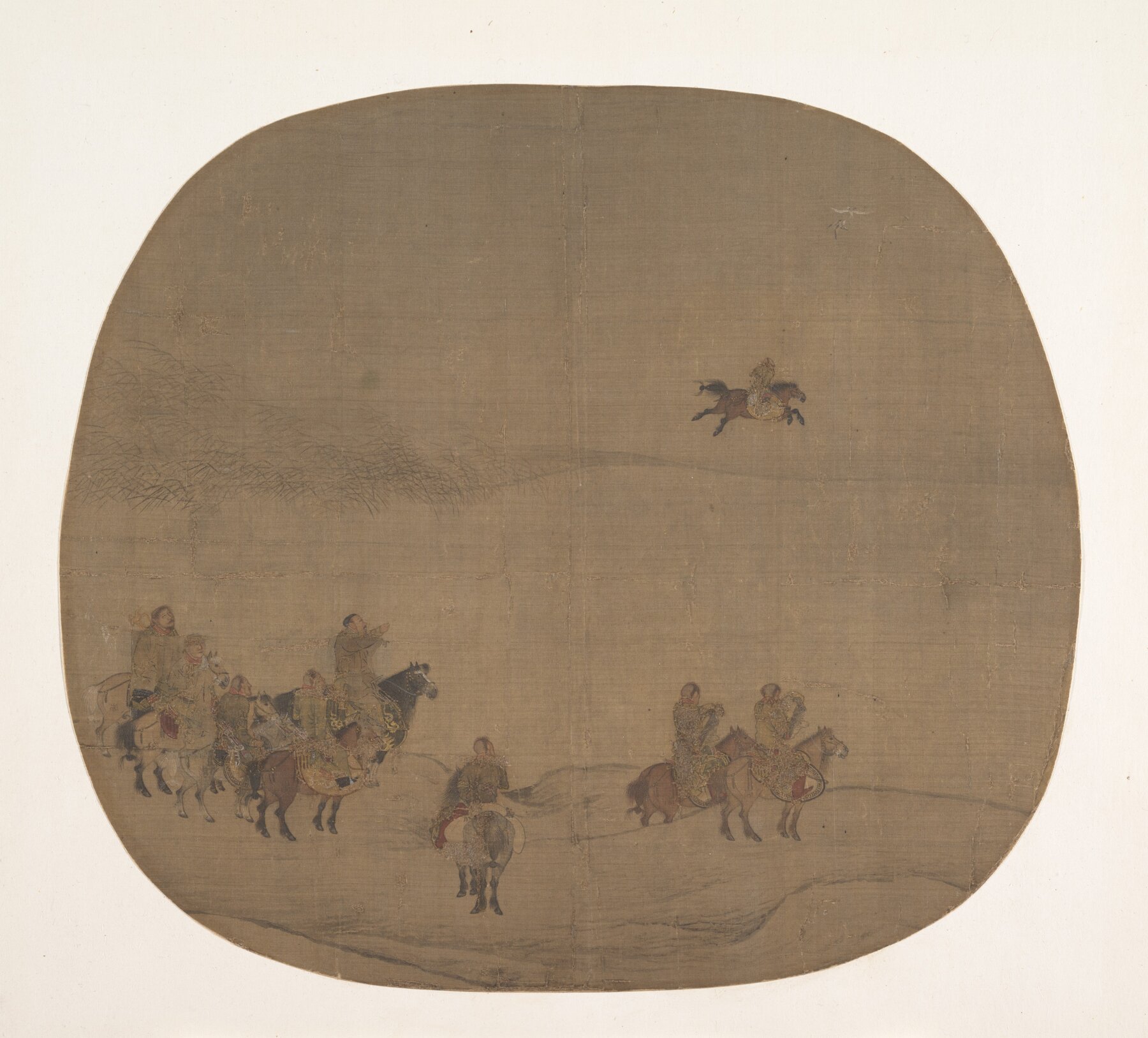
A fan painting showing nomadic horsemen hunting with falcons, a skill-based practice connected to mobility, training, and elite culture.

A Sogdian-language letter written by an adherent to a bishop, both of Manichaean orientation.
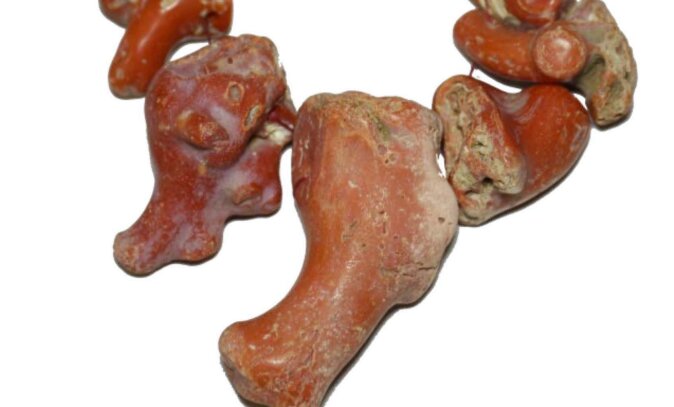
A collection of red coral found in a treasure trove.

Silk was not just a Silk Roads commodity but an industry as well.

TThis object is titled “Bowl with Dragons,” dated 607 AH/1210 CE, and was likely produced in Iran. The dragon iconography around the bowl, with concentric coiling rings and meeting heads, has been sighted by some scholars as a depiction of al-Jawzahr, a dragon entity believed to both cause and reverse eclipses by swallowing the moon and sun. From script around the rim and the imagery of al-Jawzahr, it is believed to have had an apotropaic function.

Used to enchance stability during horse riding. Saw use by Mongolian horse back archers to increase precision.

The world-renowned glassmakers of Venice drew inspiration from Mamluk Syria and Egypt

The icon depicts St. George in full military attire, emphasizing both his role as a soldier and a holy warrior.

These colossal Buddhas are very cultural impactful
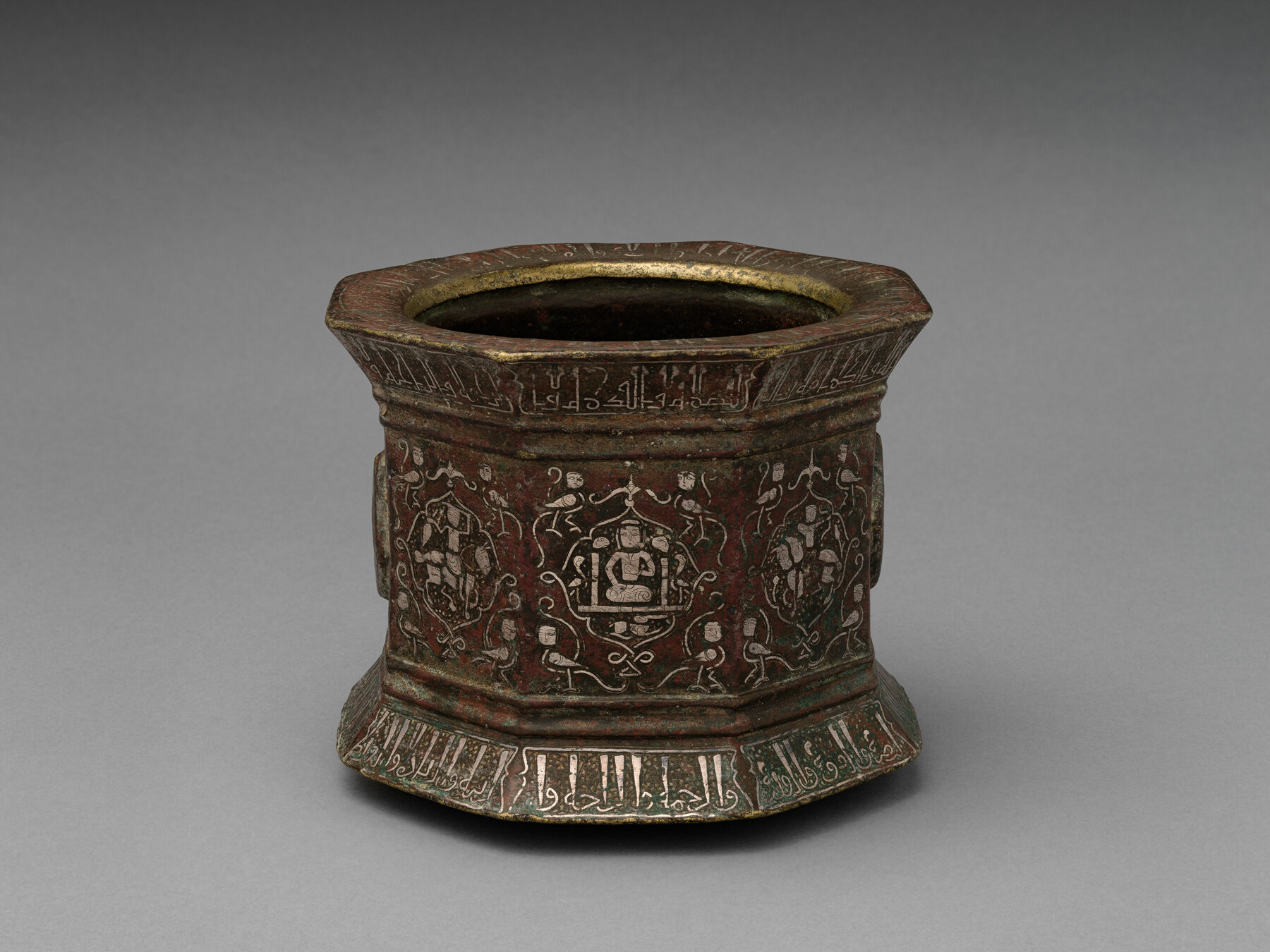
This object is a Mortar made for Abu Bakr 'Ali Malikzad al-Tabrizi, made most likely in Iran, from the late 12th-early 13th century. The object is currently displayed at the Metropolitan Museum of Art in New York, object number 91.1.527a, b. It is made of bronze and inlaid with a silver and black compound. The object serves as a display of the elite status of its owner, and informs us how artistry interacted with culture and elite power in the medieval Seljuk court.

A Shahnama manuscript painting showing Siyavush playing polo before Afrasiyab, connecting the sport to skill, competition, elite status, and Persian literary tradition.

A silk painting of a familiar prophet.

This figure represents a camel with the saddle bags on the side of the animal potentially depicting a Christian scene with Greek influences being seen in the surrounding pillars.

A contempory item to the founder of a dead faith.
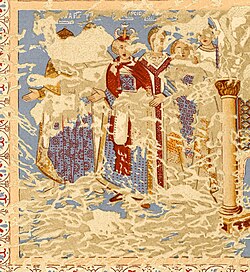
Depicting the Umayyad Caliph hosting past famous rulers from the lands that were now under the Caliph's rule was a way to present the power of the Umayyads.

Discusses a chess piece found in easter europe, and its roll in identifying how chess changed forms across different regions.

The Archangel Michael is an oil and tooled gold on panel painting created between 1500 and 1503 by Juan Ximénez, a Spanish artist active in Aragon who is first documented in 1500 and died in 1505.

Helmet from one of, if not, the most dominant military powers in human history.

This image is of the Standing Archer found in Pit 1
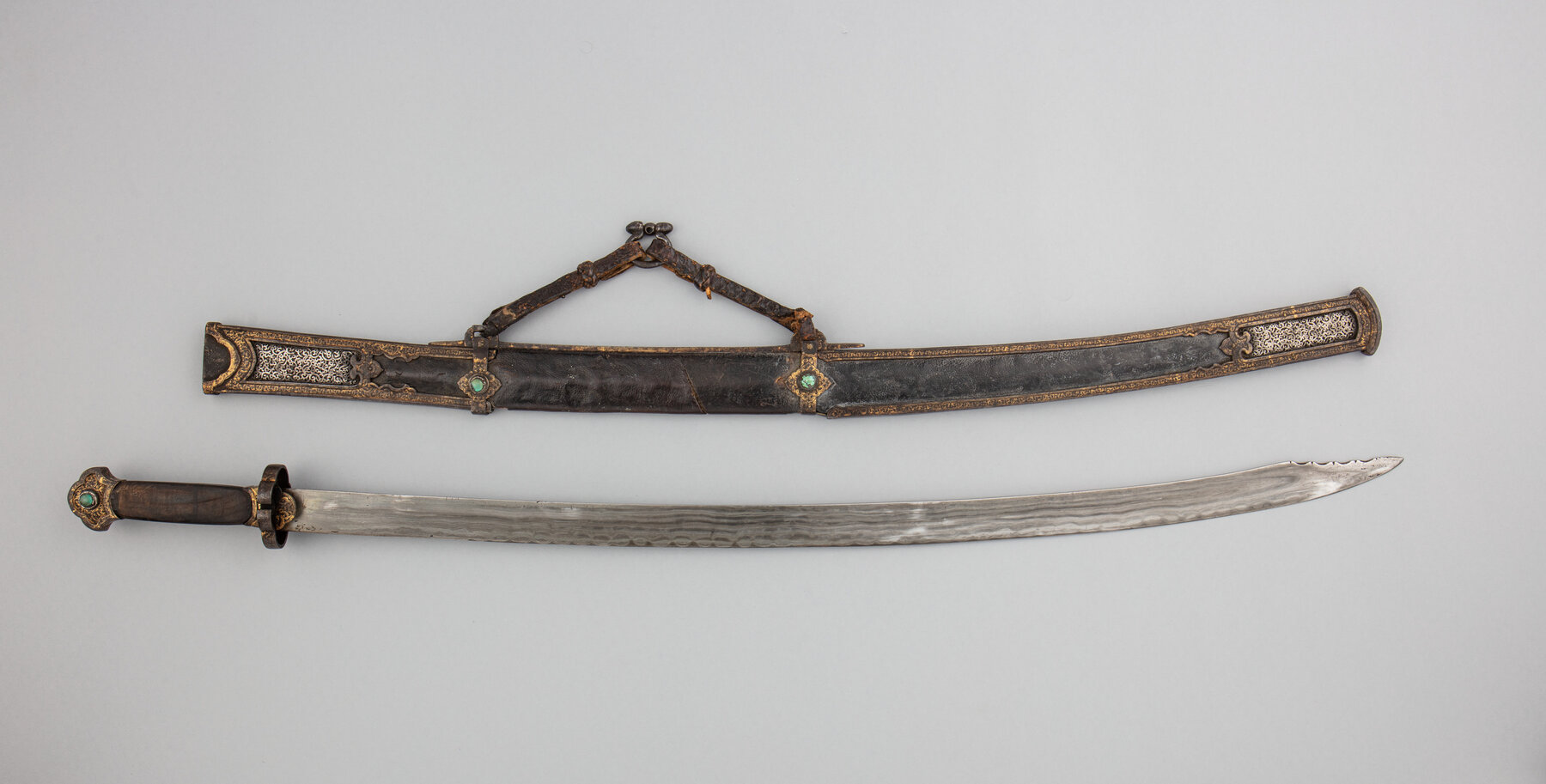
Standard issue sword for Mongolian cavalry. The curve edge of the blade made slashing from horseback easier.

Two elaborate bracelets of coral and other materials.

This object is a gilded bronze statue of Śākyamuni and Prabhutāratna.

This image is of the Han coin, not an altarpiece from a monastery.

Statuette of a woman, likely depicting a city.
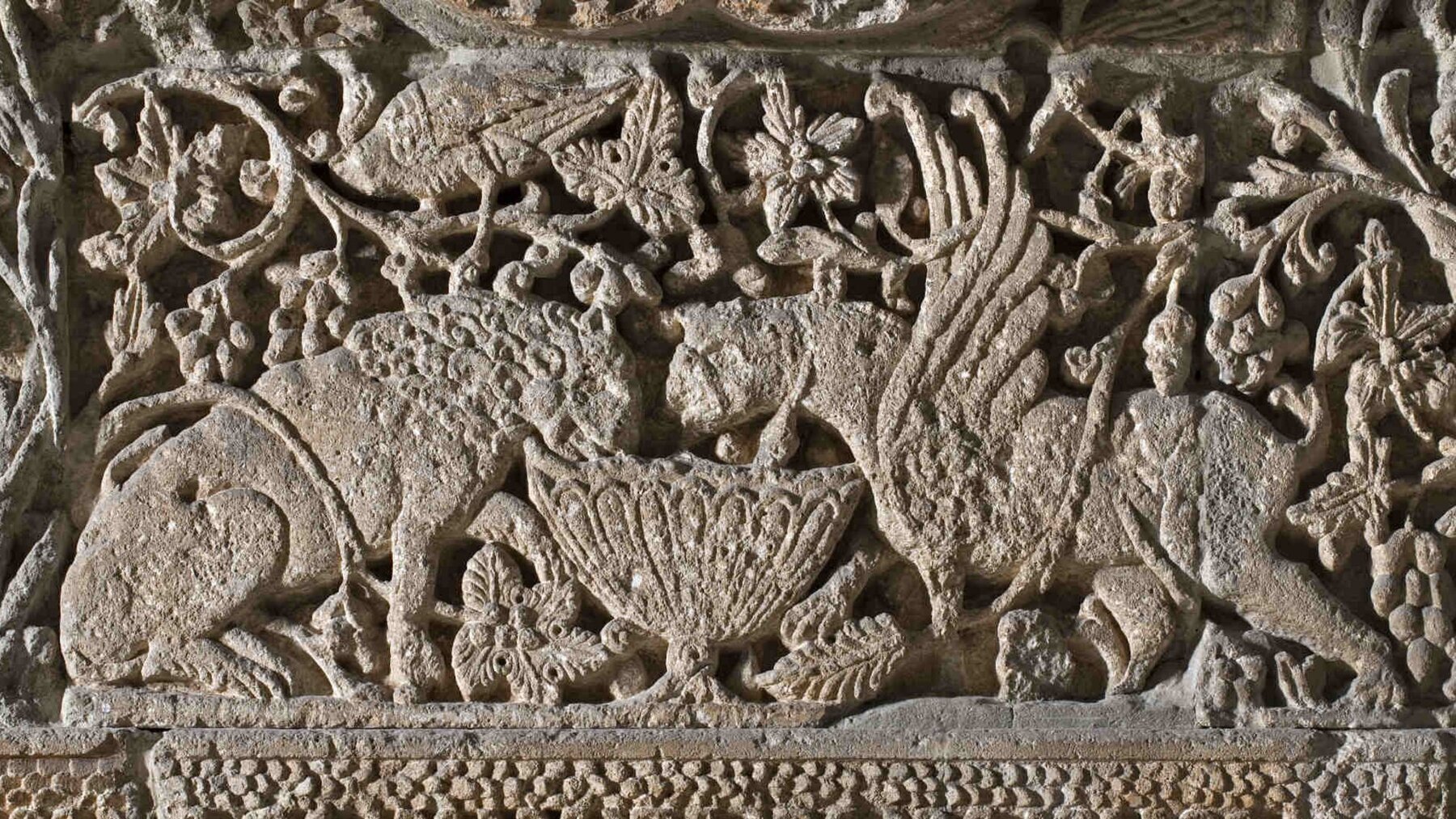
From a palace in Amman, the artwork shows a combination of Byzantine and Umayyad traditions.

This liestone dome slab took years to be completed as it was a product of many donars.

This image is of the Kneeling Archer found in Pit 1
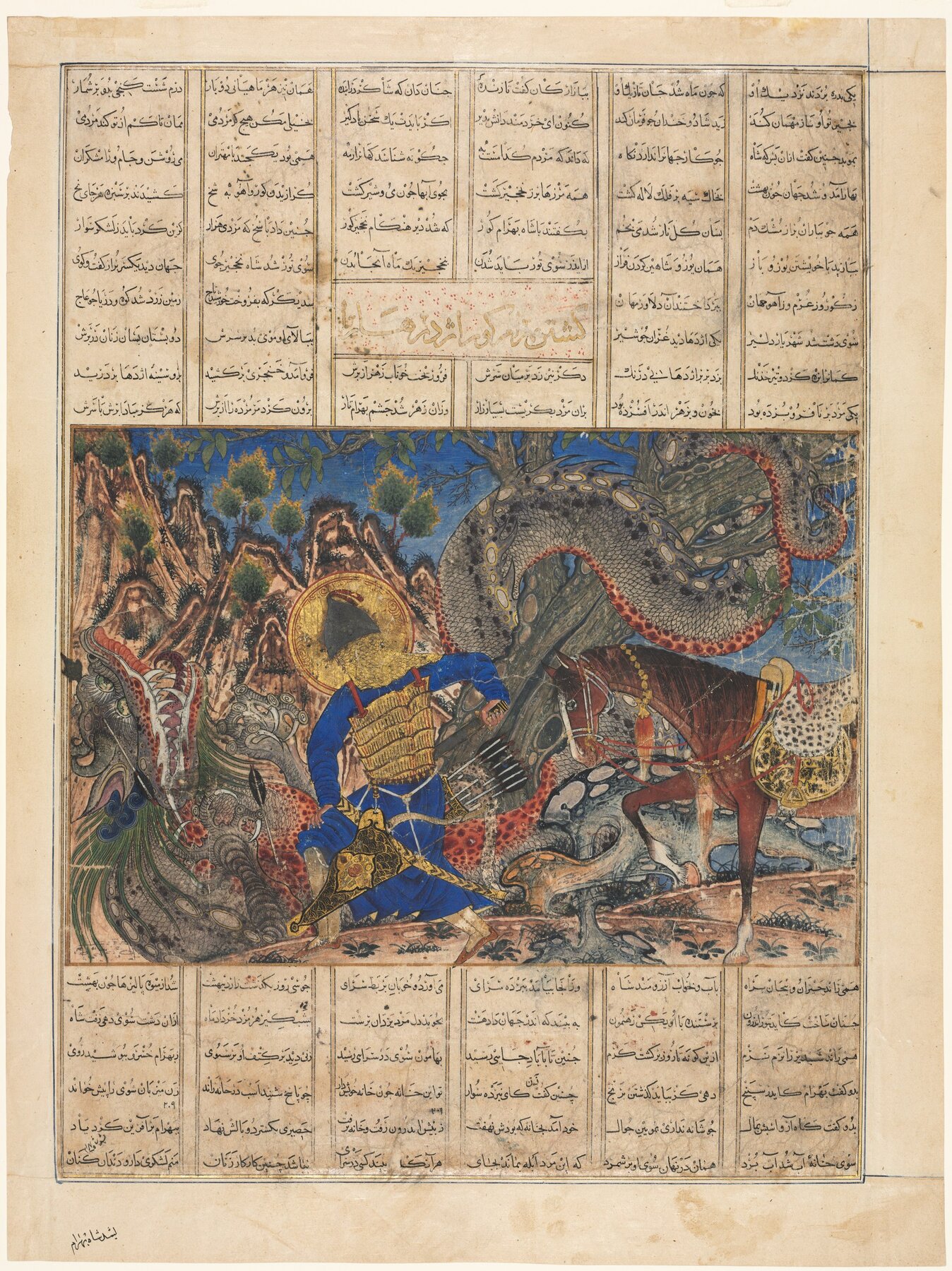
Bahram Gur Slays a Dragon (verso), from the Shahnama (Book of Kings) attributed to Firdausi and produced in the Great Mongol Shahnama tradition (c. 1330–35), depicts Bahram Gur driving his sword into the chest of a dragon in a highly charged moment of combat.

In Venice, incense inspired and interwined with other industries

Flying apsaras from the Mogao Caves in Dunhuang, Gansu Province, China. These figures show movement flowing silk and the connection between dance and spirituality along the Silk Road

This statue is dated to the 3rd-4th century from the ancient region of Gandhara and current day Pakistan

This image is An 11th century Ken blade, mounted upon a 14th century vajra-hilt.

A five-storey commercial hostel built in 1504–05 by the Mamluk sultan al-Ghuri in the dense commercial quarter of Cairo, combining ground-floor warehouses, rental apartments, and a central courtyard within a vertical urban footprint.

An early-eighteenth-century funduq in the carpenters' quarter of the Fez medina, built around a three-storey courtyard elaborated with carved cedar, stucco, and zellij tilework, now housing the Nejjarine Museum of Wooden Arts and Crafts.
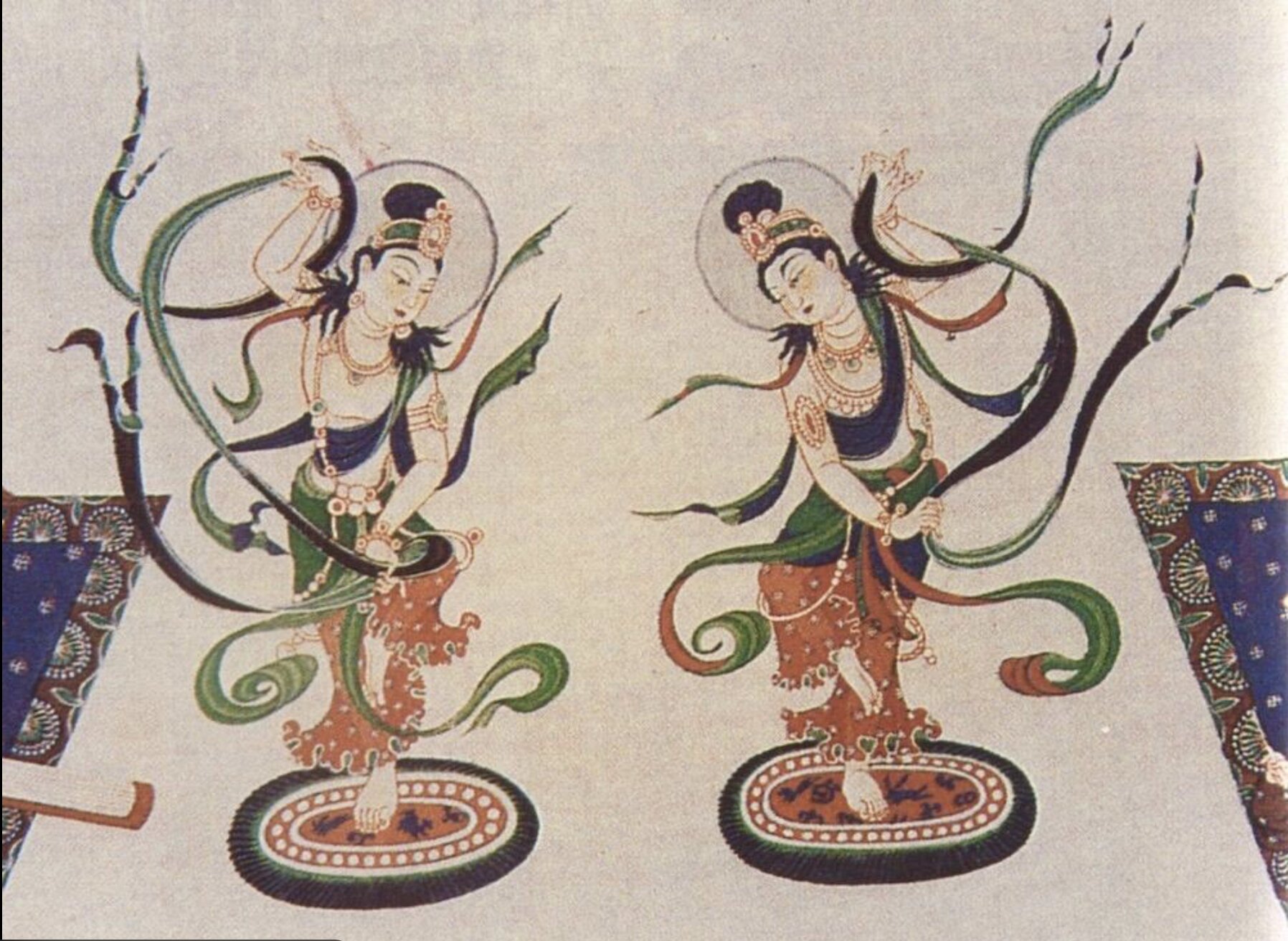
A mural from Mogao Caves in Dunhuang showing a female dancing.

This Indo-Corinthian capital was an architectural feature, likely part of a building of significance depicts the Buddha sitting among acanthus leaves

This is a mirror handle found in India. It is from the 6th or 7th century. It is part of series of women at rest, this one playing a lute.
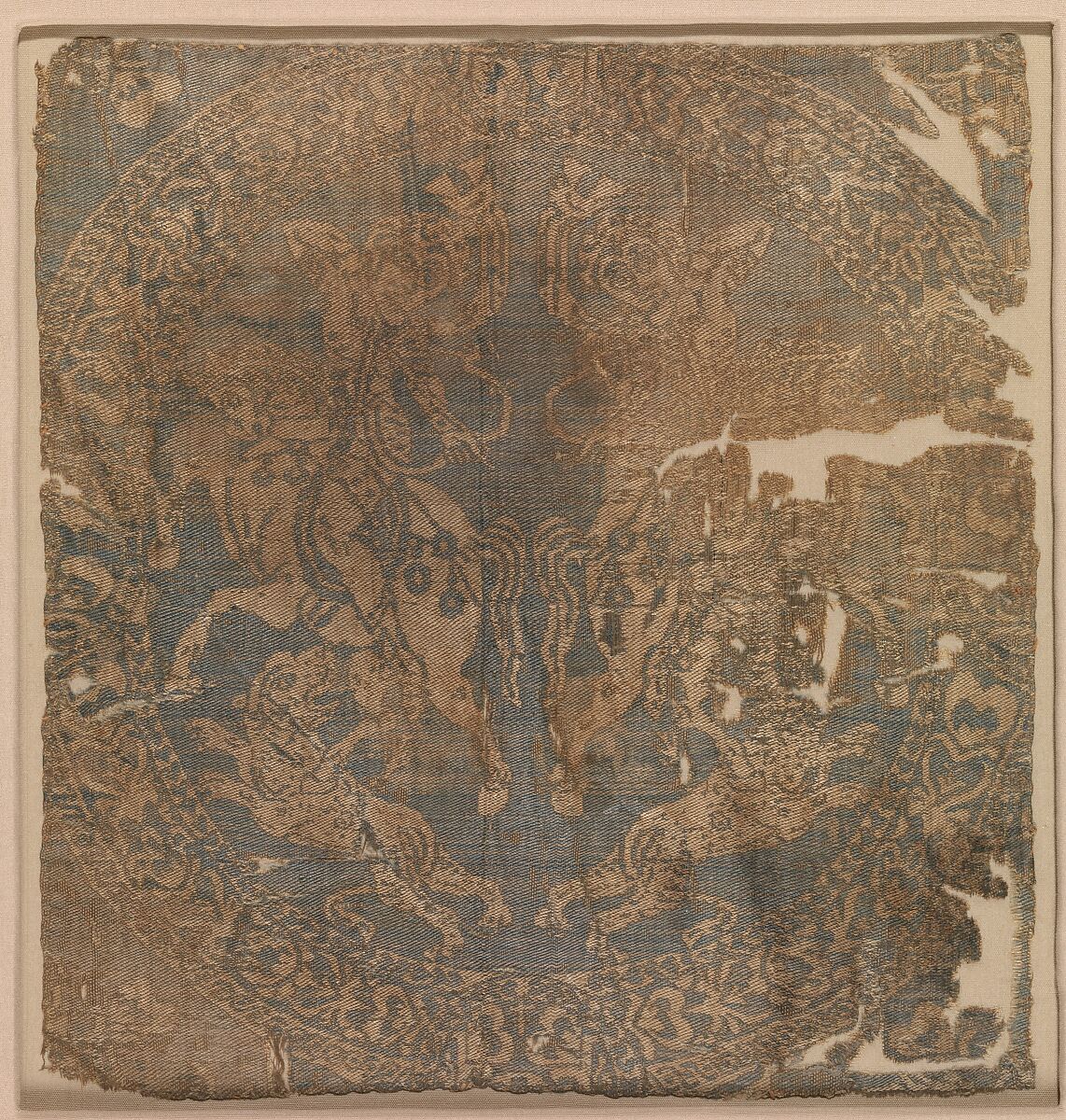
One or two sentences about the coin but this one is not from Bukhara.
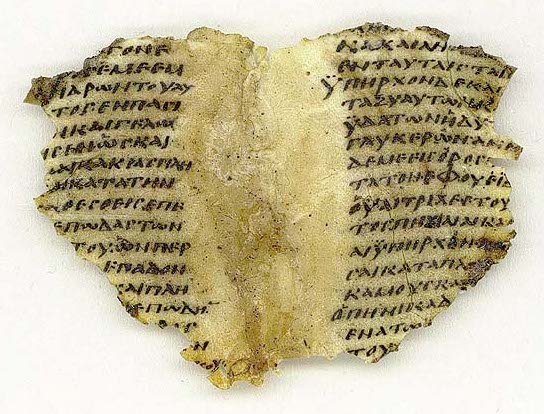
One of the smallest medieval codices.

This is a figure from the Tang Dynasty in China. It depicts a higher class woman draped in a green outfit.

This is a photograph of the Danzig Handgun

This is a shard of a glass bowl with the portrait of a woman painted on it. She was painted with gold leaf.

These images depict a gold-inlaid steel sword with bronze decoration excavated in the Taklamakan desert.
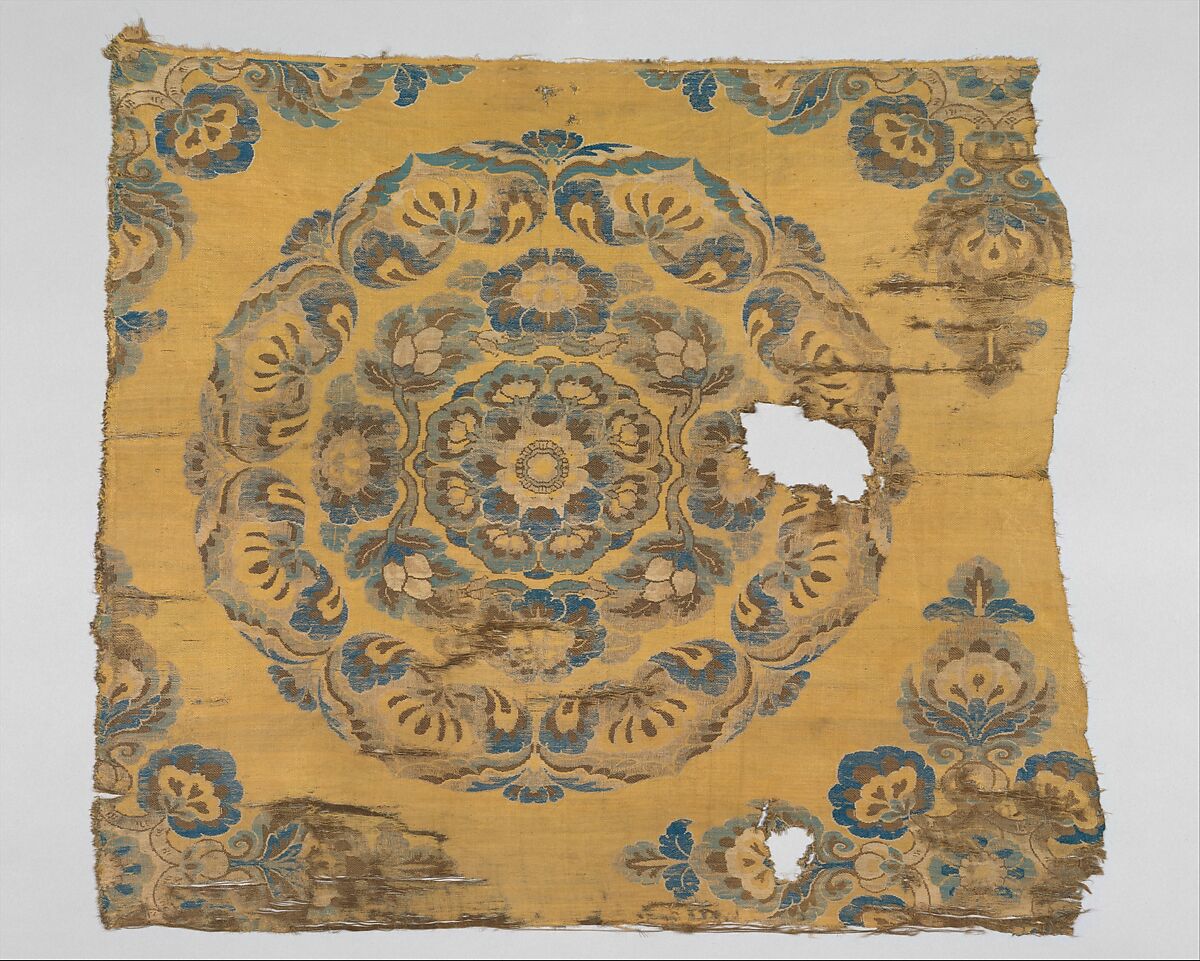
One or two sentences about the coin but this one is not from Bukhara.
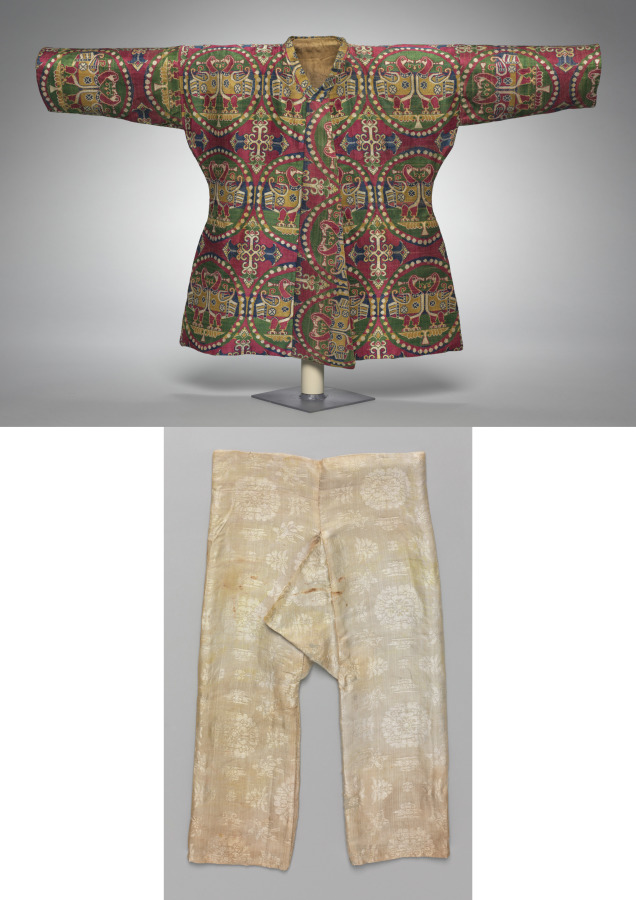
One or two sentences about the coin but this one is not from Bukhara.

Quiver from a Mongolian Composite Bow. A tool that enabled high precision horse back shooting.

Glass flask from Syrian/Roman culture.

A large two-storey Ottoman khan in the harbor district of Acre, organized around a granite-columned courtyard and built on the remains of a Crusader-era customs house.

Venice's homegrown paper industry had a major impact on the printing revolution in the city

A statue of Suransundari applying makeup. Is a part of Parshvanatha Jain Temple in central India.

A handscroll showing figures playing chui wan, a golf-like game connected to skill, rules, and elite leisure in ancient China.
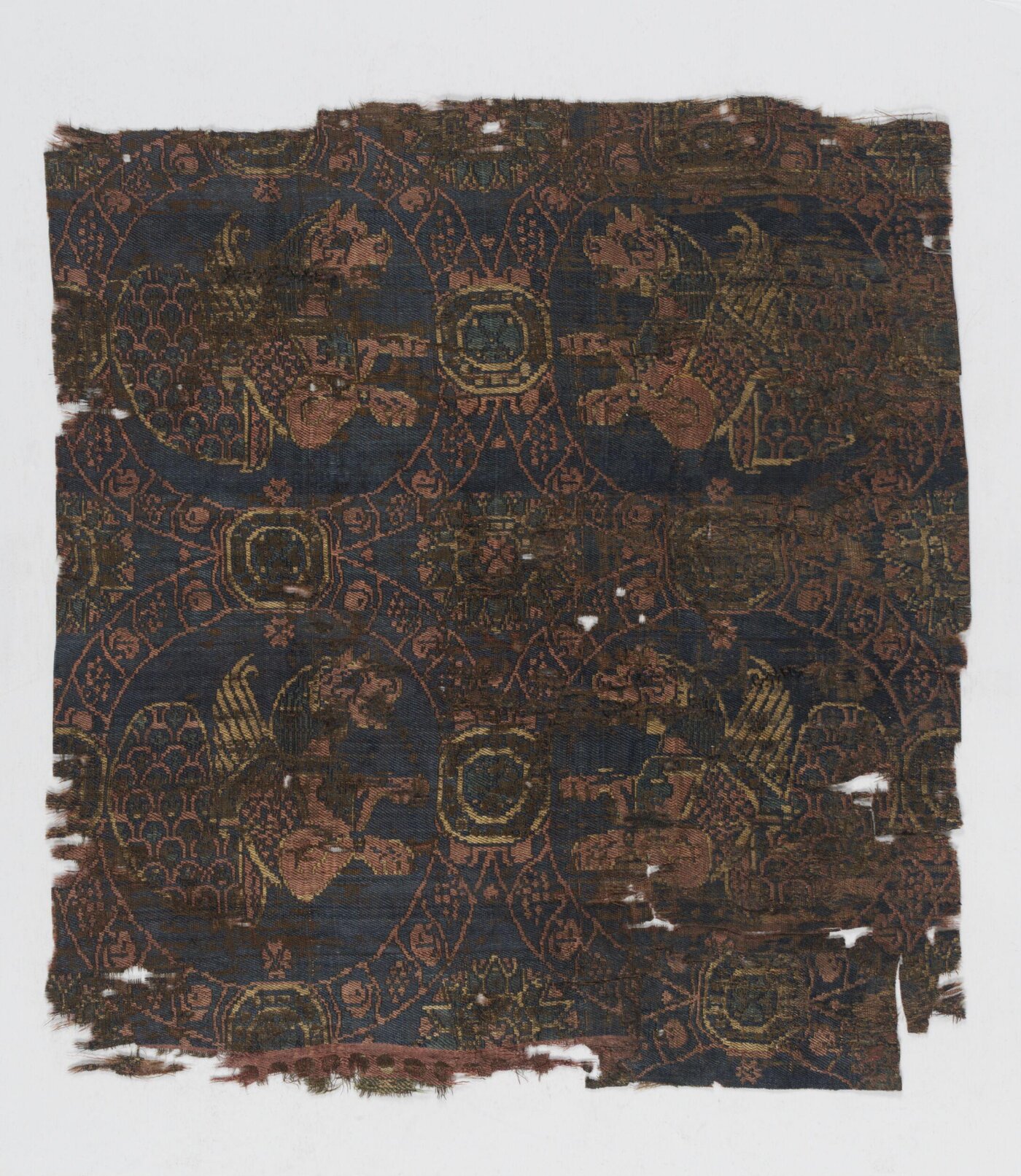
One or two sentences about the coin but this one is not from Bukhara.

TA Tang Dynasty painting highlighting women’s layered silk attire and how clothing contributed to dance, performance, and cultural identity along the Silk Road.

The mosaic shows a combination of Byzantine and Sasanian styles. The moasaic also represents characteristic that the Umayyad Caliphs valued.

Dramatic carnelian necklaces found in a treasure trove.
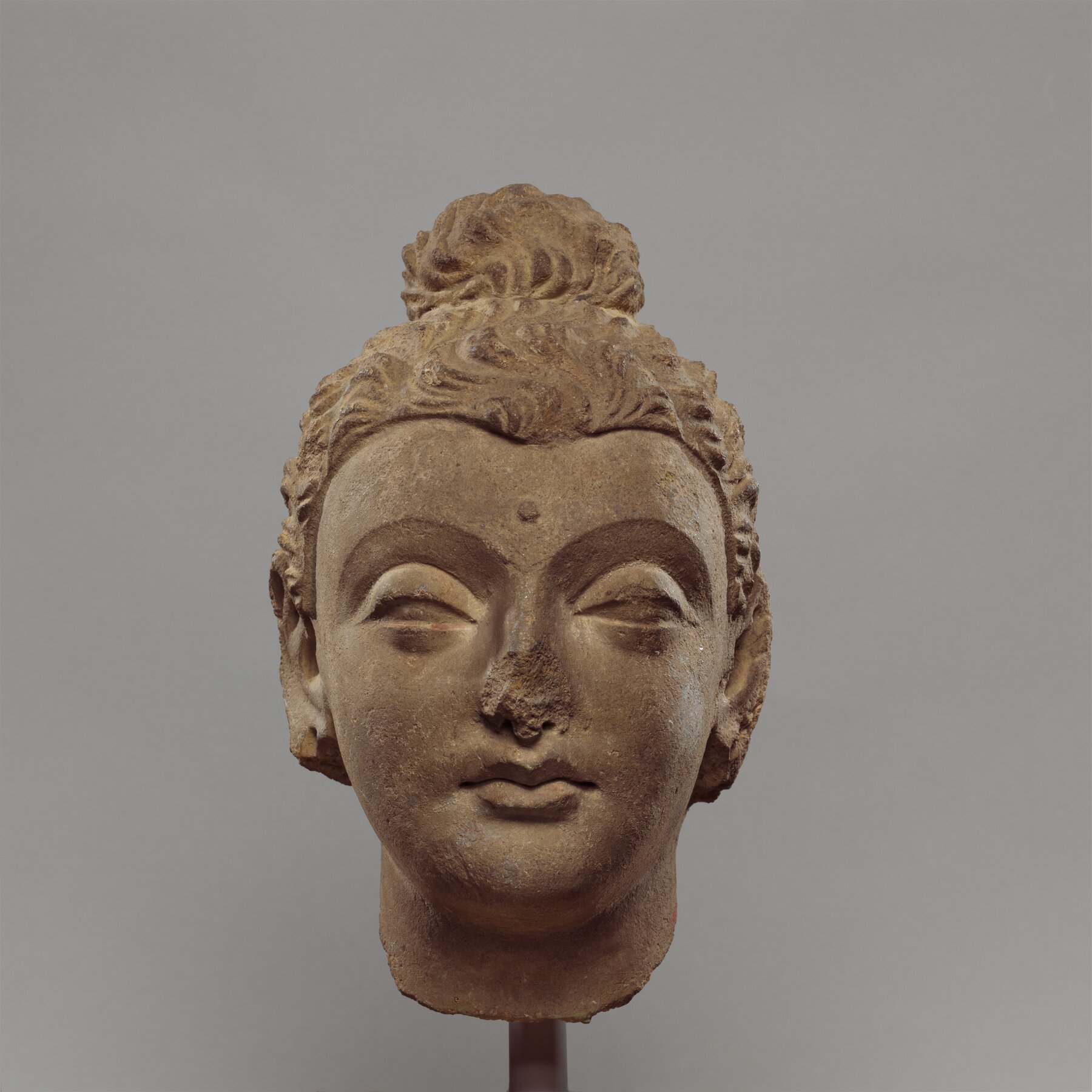
This sculpture represents the Buddha in a Greek sculptural aesthetic.

This image is of the Chariot with Warriors found in Pit 2

This image is of the Armored Officer found in Pit 2

Figurine from the Tang Dynasty era featuring a girl applying makeup.

Cosmetic jar from the 6th century Byzantine. Uses luxurious materials.