A digital exhibition of movement, material, and myth
The Silk Road Was Stranger Than Silk
Games, cosmetics, dragons, glass, religion, sport, weapons, architecture, and luxury all moved through the same networks that carried silk and spice.
Opening Argument
The Silk Road was not a single road, and it was not only about silk.
The name evokes caravans, merchants, and luxury goods crossing the breadth of the known world. The history is stranger and richer, with chess pieces changing shape, eyeliner becoming evidence of chemical exchange, dragon motifs shifting meaning from China to Persia, and buildings carrying architectural habits across empires.
This site follows those unexpected threads through student essays, object studies, and a growing map of cultural contact across Eurasia.
Featured Essay
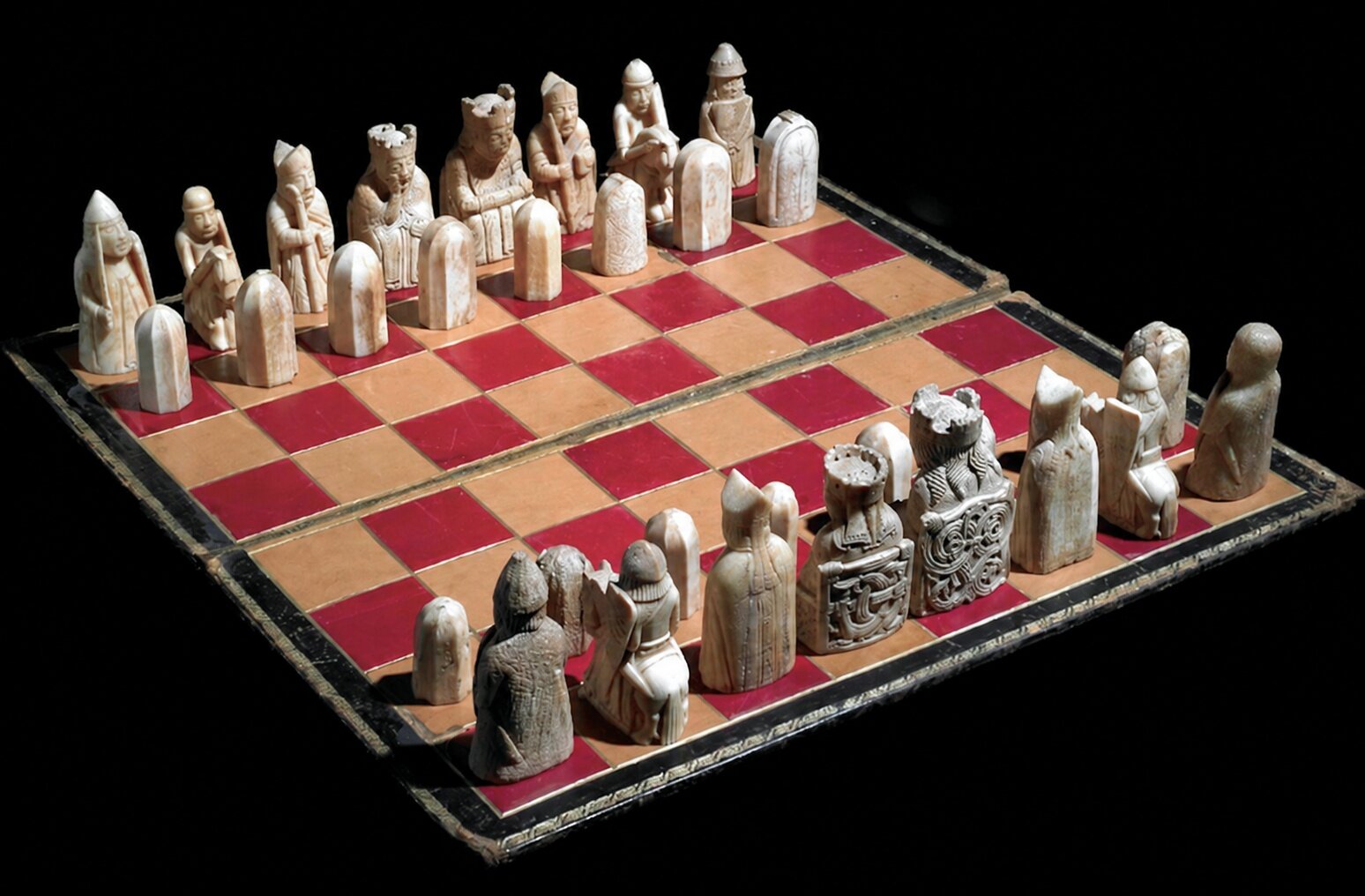
Chess across the silk road
The evolution of chess is somewhat a mystery, but traces of its history can be found across old silk road trade routes.
Follow the gameEditor's Picks
Start with the strange, vivid stories.
 Editor's Pick
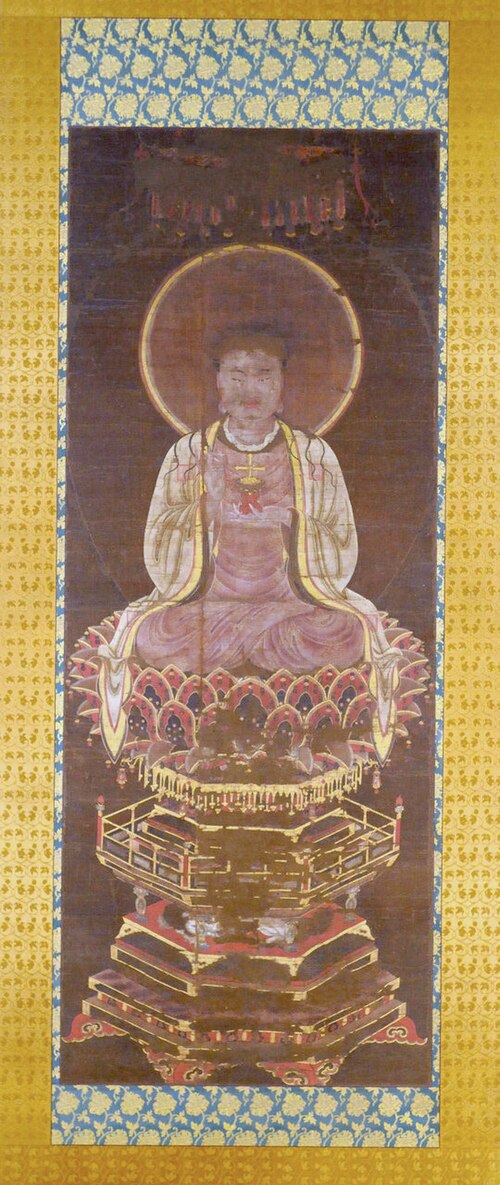
Light on the Silk Road: Manichaeism Survivals in Medieval Art
How a dead religion is still remembered, more for its art than for its ideas.
 Editor's Pick
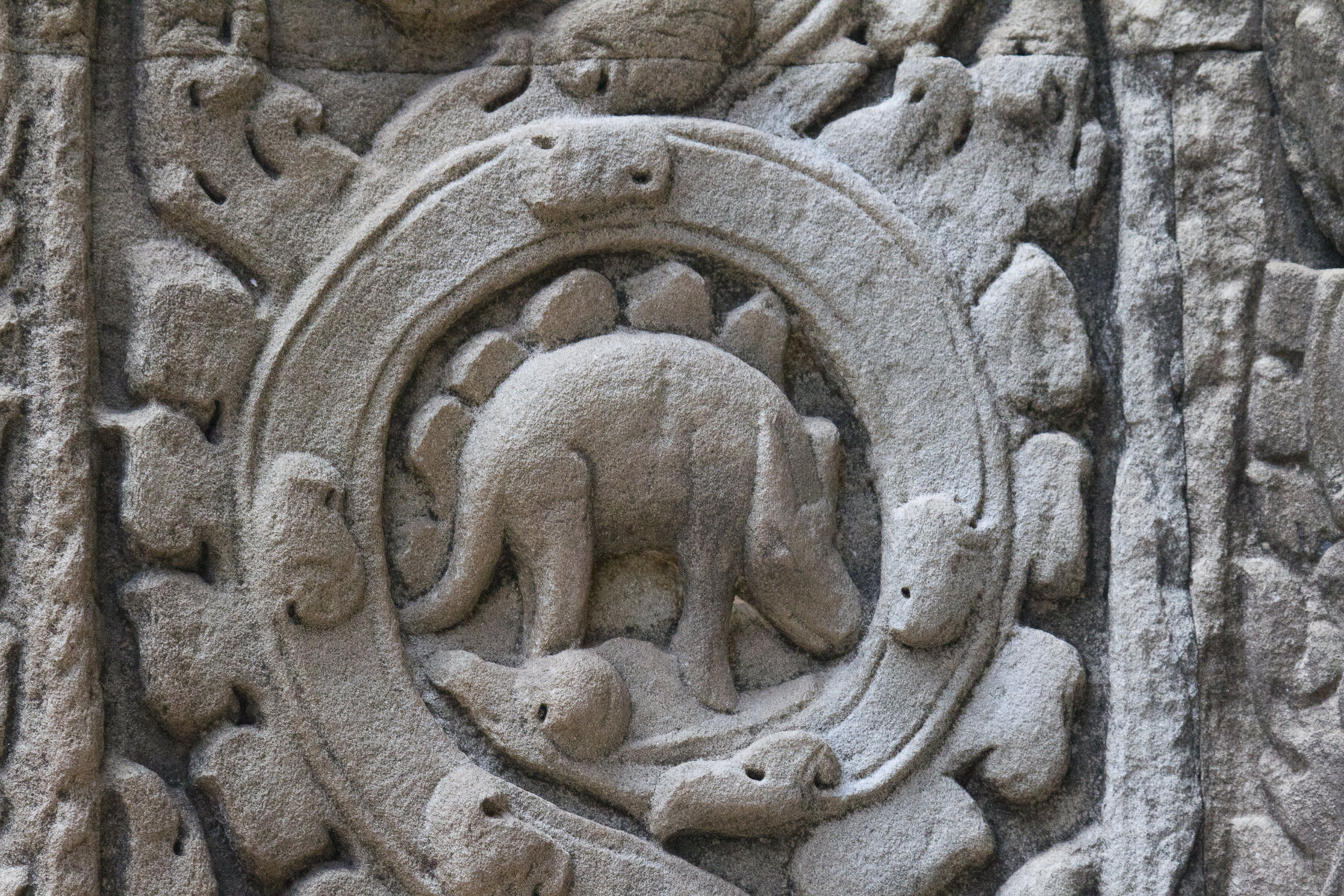
Dragons and Dinosaurs of the Silk Road
The Silk Roads formed a vast network of interconnected trade and cultural exchange linking East Asia, the Middle East, and Europe, facilitating not only the movement of goods but also the transmission of stories, symbols, and artistic motifs. Among the most enduring of these shared images is the dragon, a creature that appears in strikingly similar yet culturally distinct forms across regions connected by these routes.
 Editor's Pick
Cosmetics on the Silk Road
All along the Silk Road, we can see how cosmetics start to appear and being traded among different cultures.
Seen Along the Road
Objects make the routes tangible.


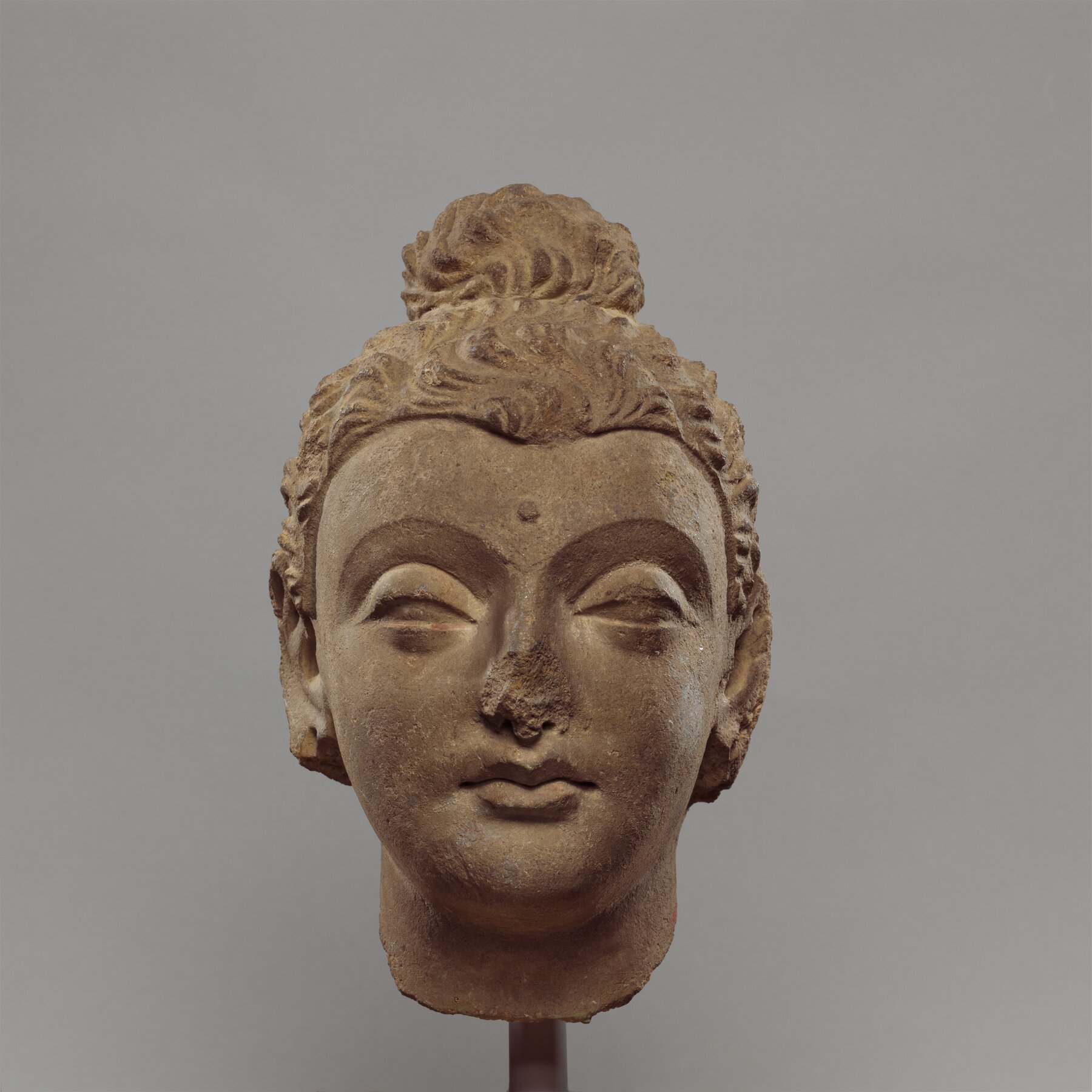

Reading Paths
Choose a thread and follow it across cultures.
Chess, polo, sport, and competition as evidence of cultural movement.
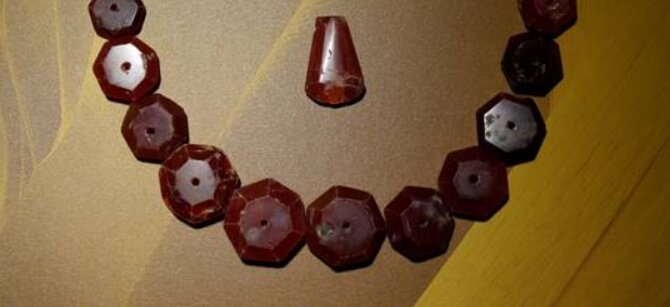
Jewelry, cosmetics, dress, and the materials that made identity visible.
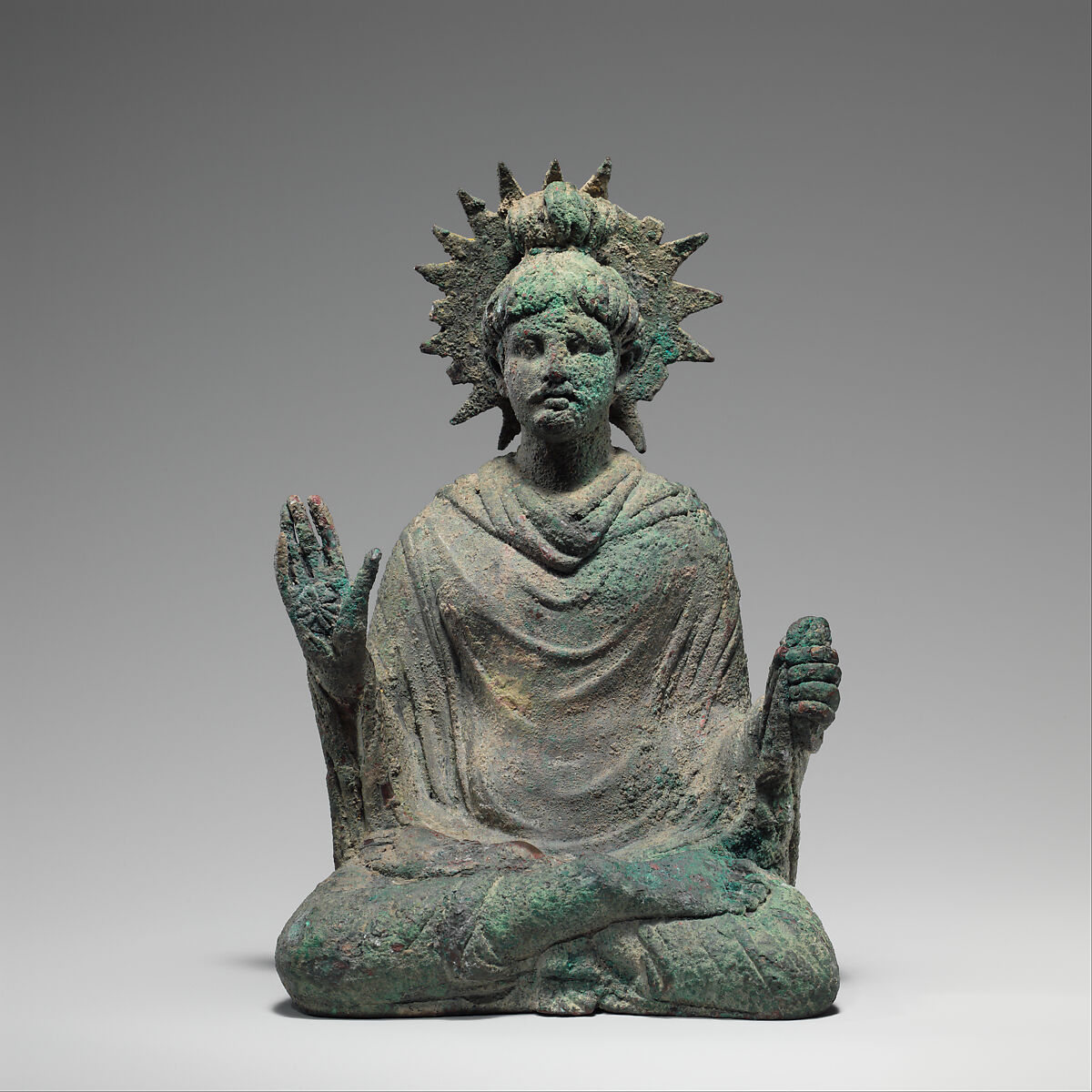
Images and beliefs crossing languages, regions, and artistic traditions.
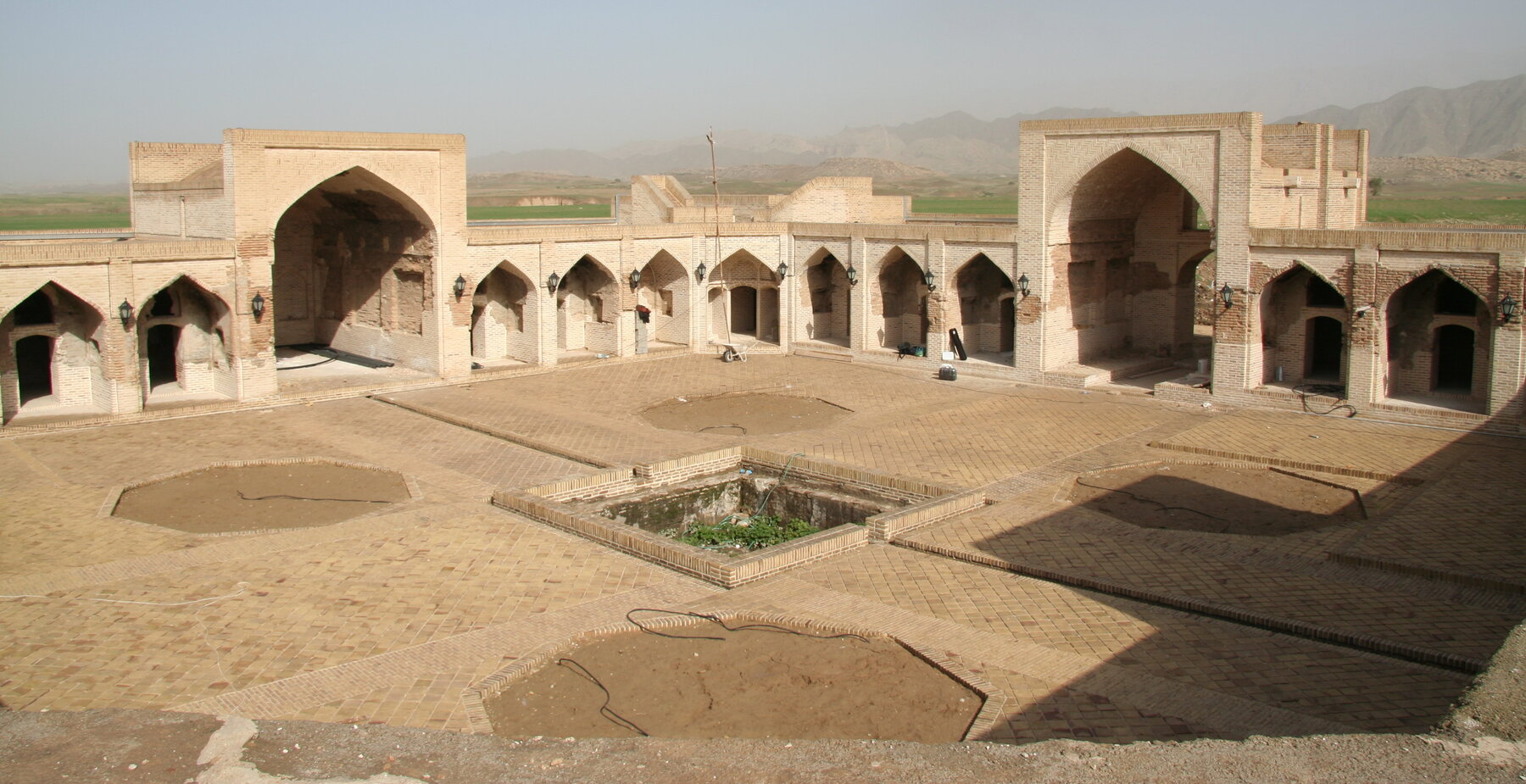
Gateways, caravanserais, markets, and buildings that made exchange possible.
Explore More