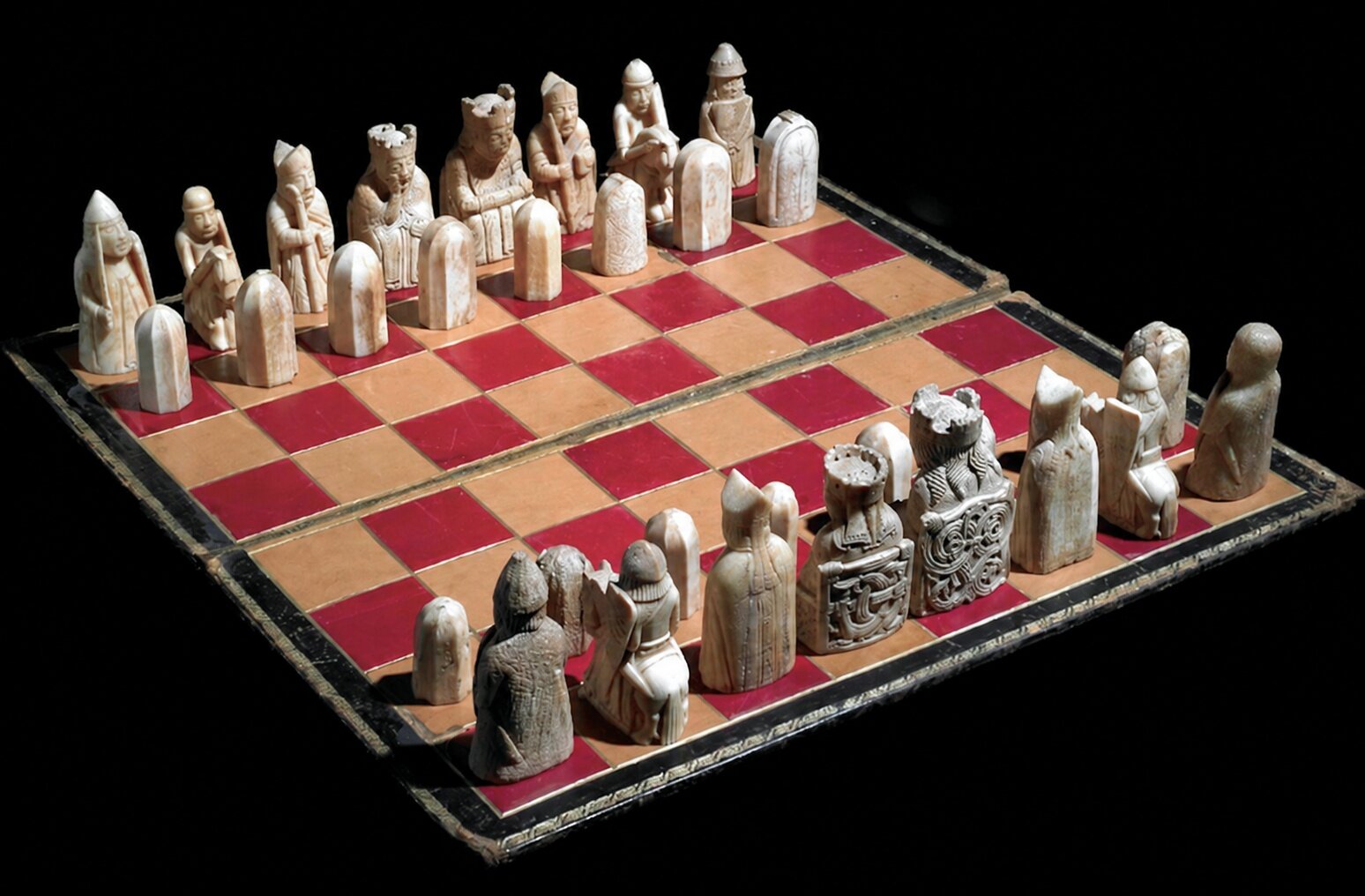
Chess across the silk road
The evolution of chess is somewhat a mystery, but traces of its history can be found across old silk road trade routes.
Thematic Essays
The Silk Road through games, beauty, faith, violence, architecture, myth, and material culture.
Contents
The evolution of chess is somewhat a mystery, but traces of its history can be found across old silk road trade routes.

Frequently found in association with each other, coral and carnelian are eye-catching materials of adornment.

All along the Silk Road, we can see how cosmetics start to appear and being traded among different cultures.
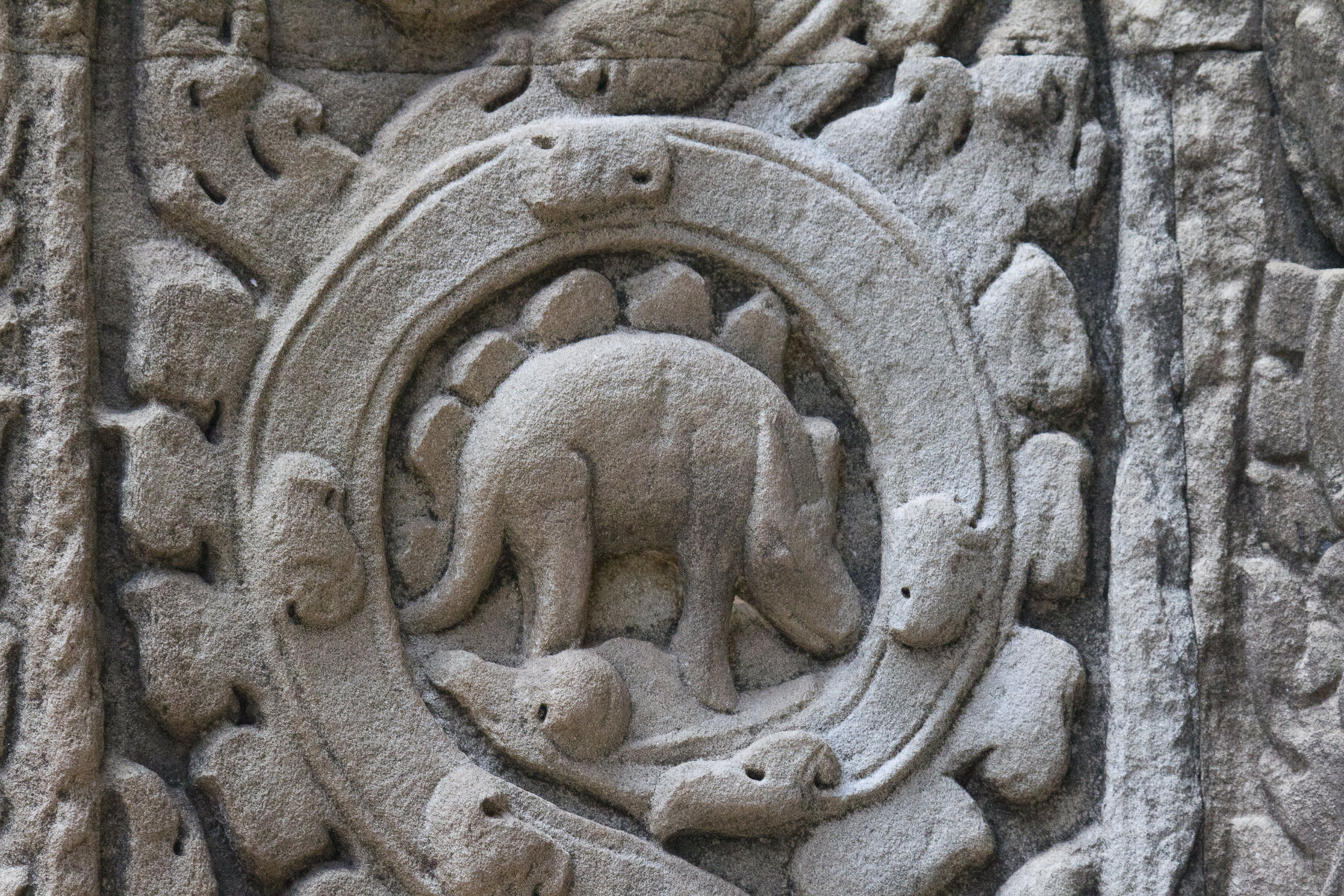
The Silk Roads formed a vast network of interconnected trade and cultural exchange linking East Asia, the Middle East, and Europe, facilitating not only the movement of goods but also the transmission of stories, symbols, and artistic motifs. Among the most enduring of these shared images is the dragon, a creature that appears in strikingly similar yet culturally distinct forms across regions connected by these routes.
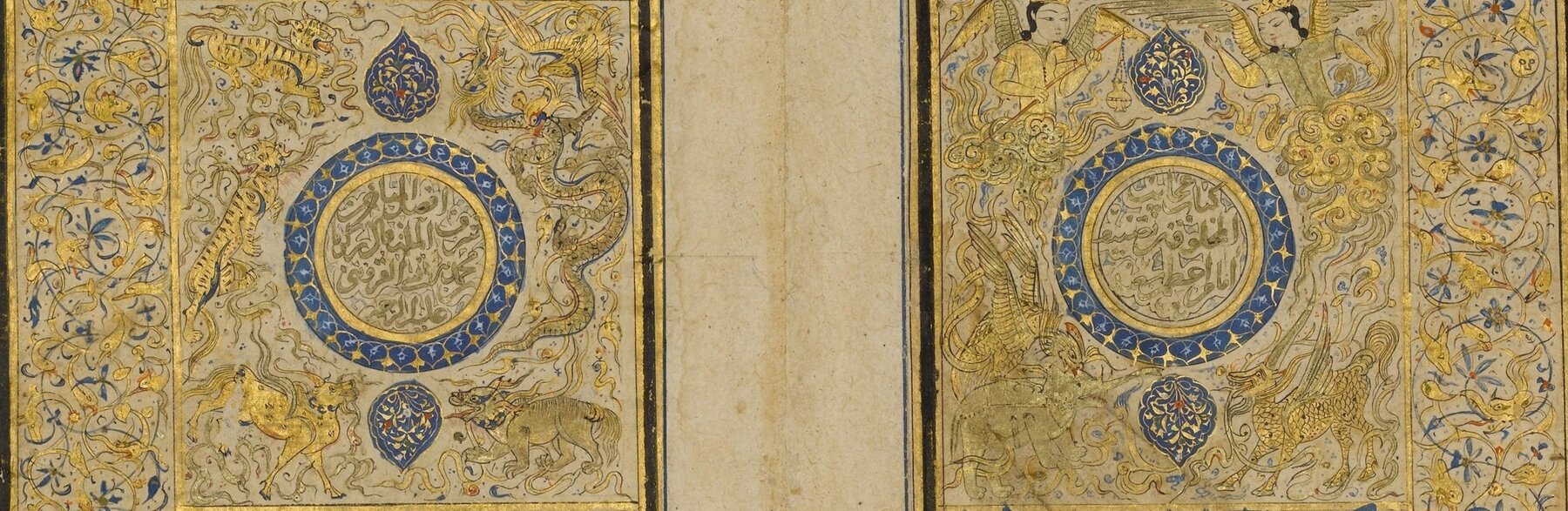
Dragon iconography along the Silk Road is one of the most pervasive artistic motifs, serving as a flexible epistemological tool, adaptable to any individual's narrative, ranging from a cosmological force to a symbol of legitimacy and intellectual inquiry through a shared visual language.
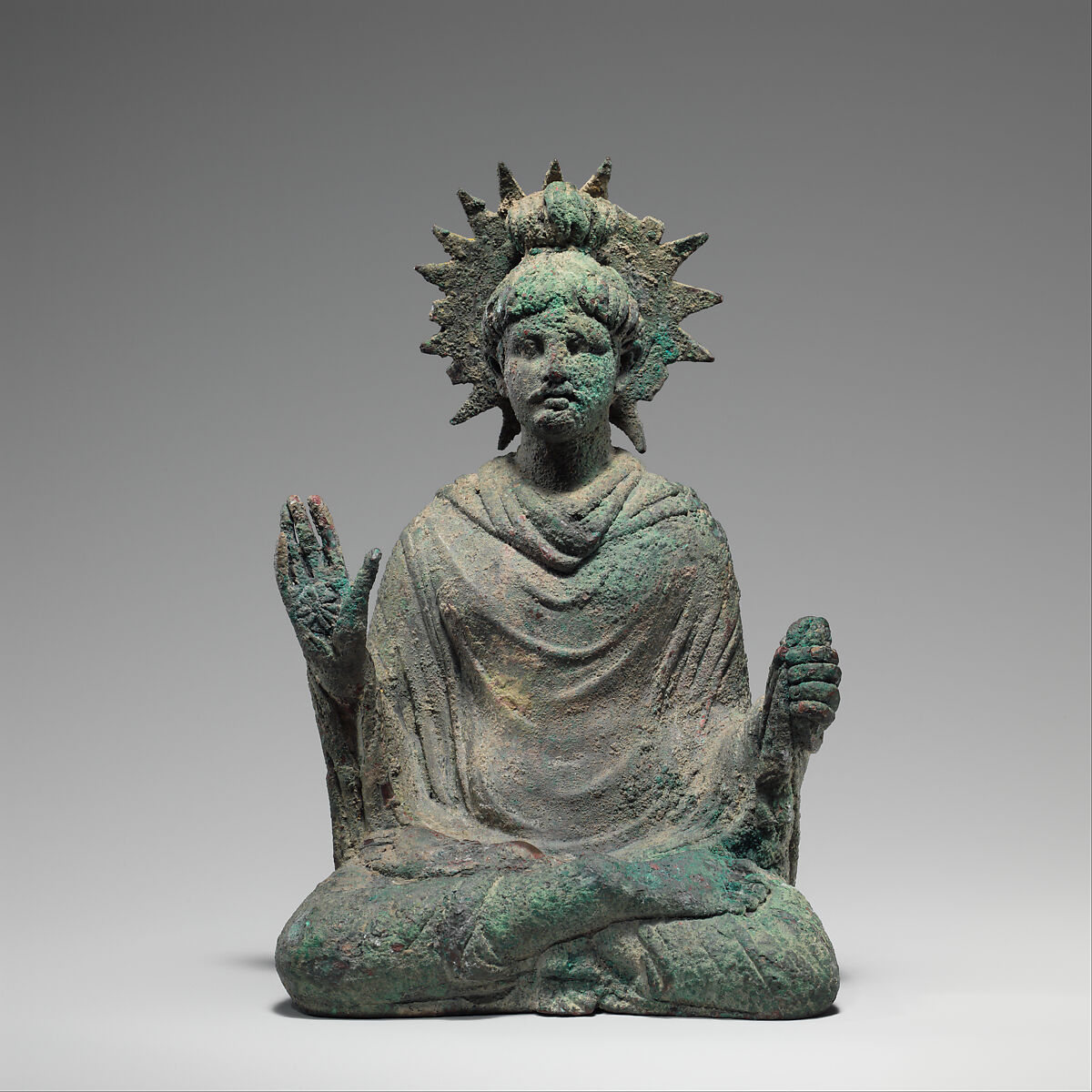
Greco-Buddhist art is an important representation of cultural mixing on the silk road, Greek influence in the South Asian area come from the conquests of Alexander the Great and his successors.
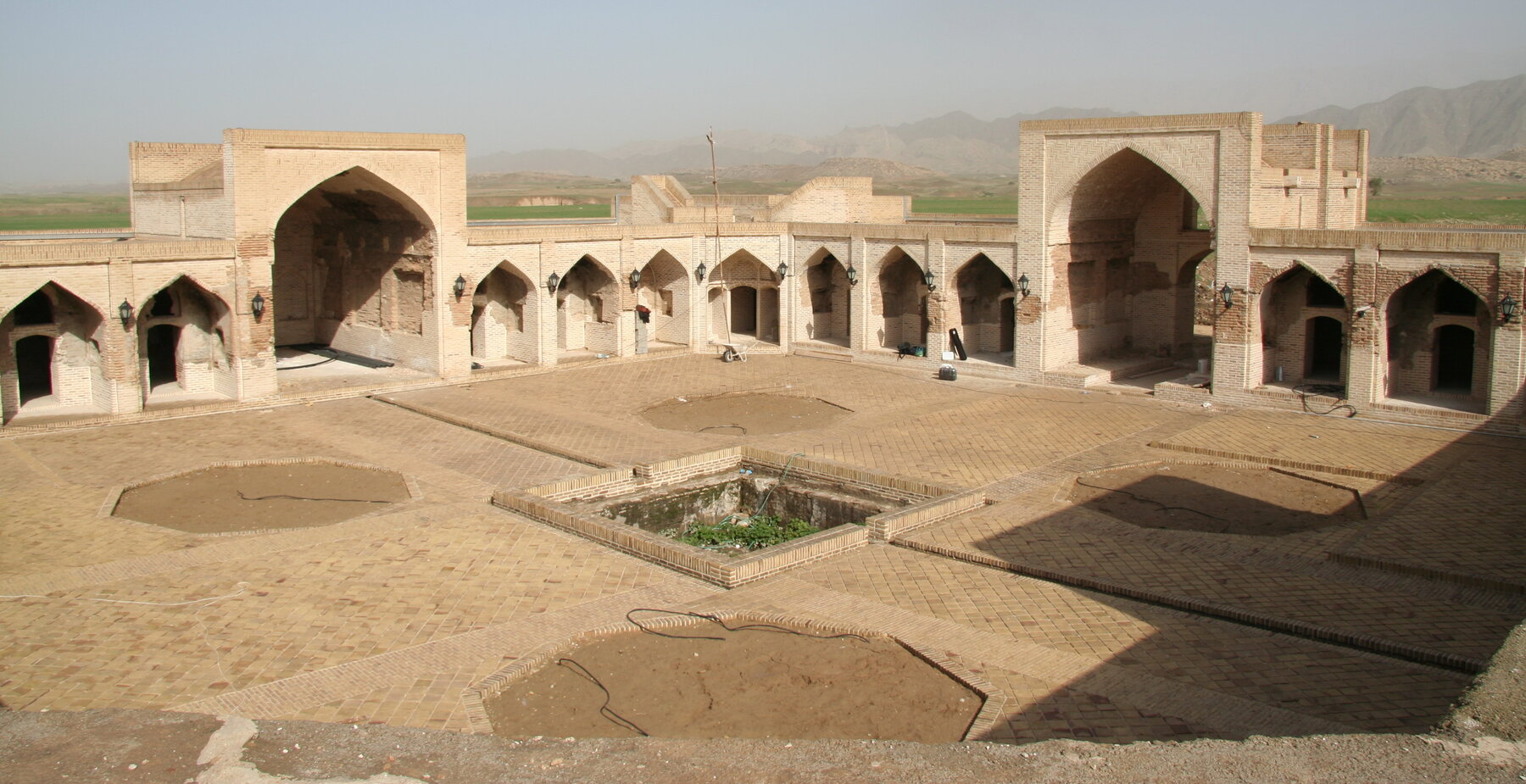
A comparison of four Islamic waystation building types—caravanserai, khan, funduq, and wikala—across the medieval and early modern Silk Road.
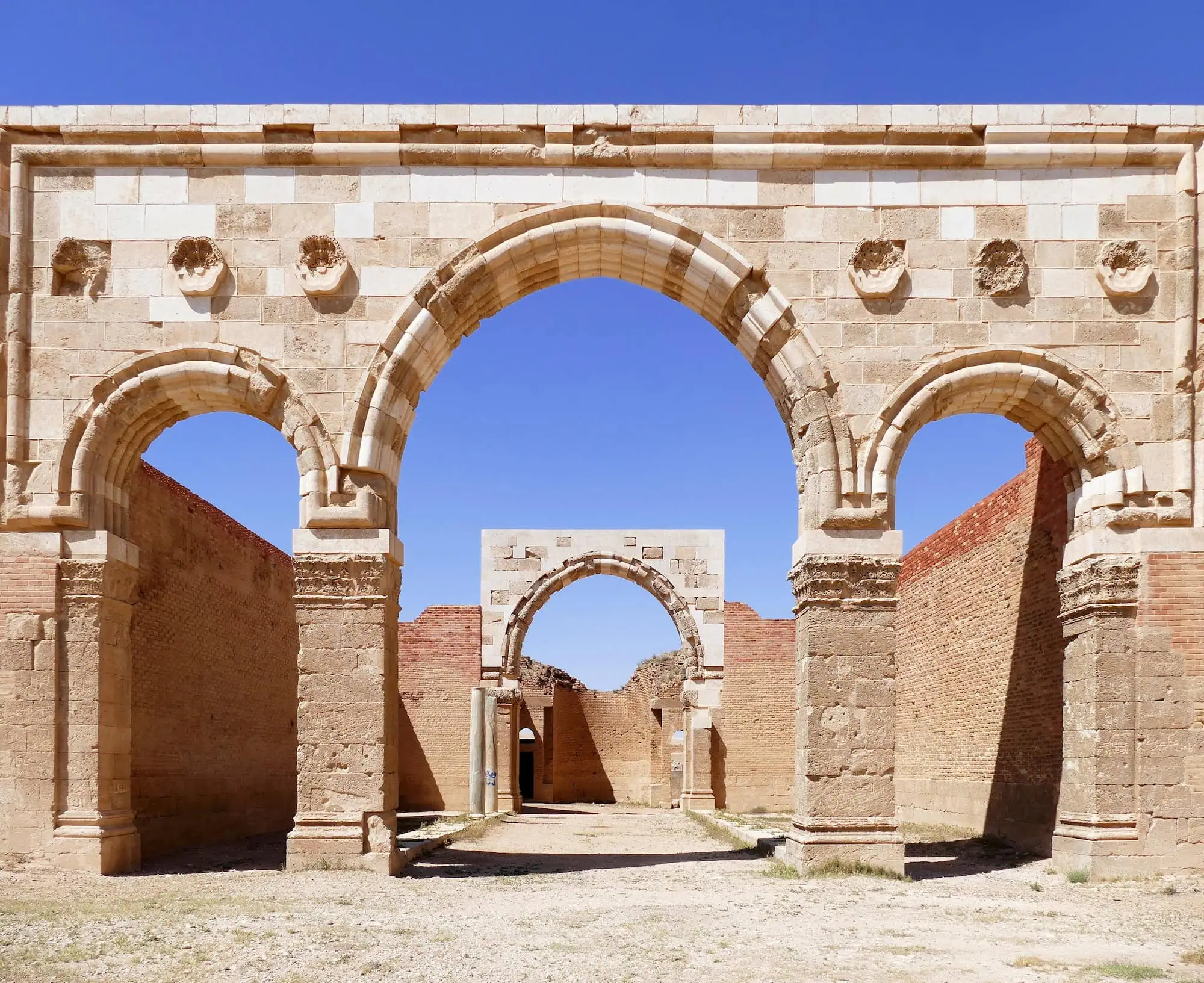
Umayyad architecture is a relfection of their early ruling methods.
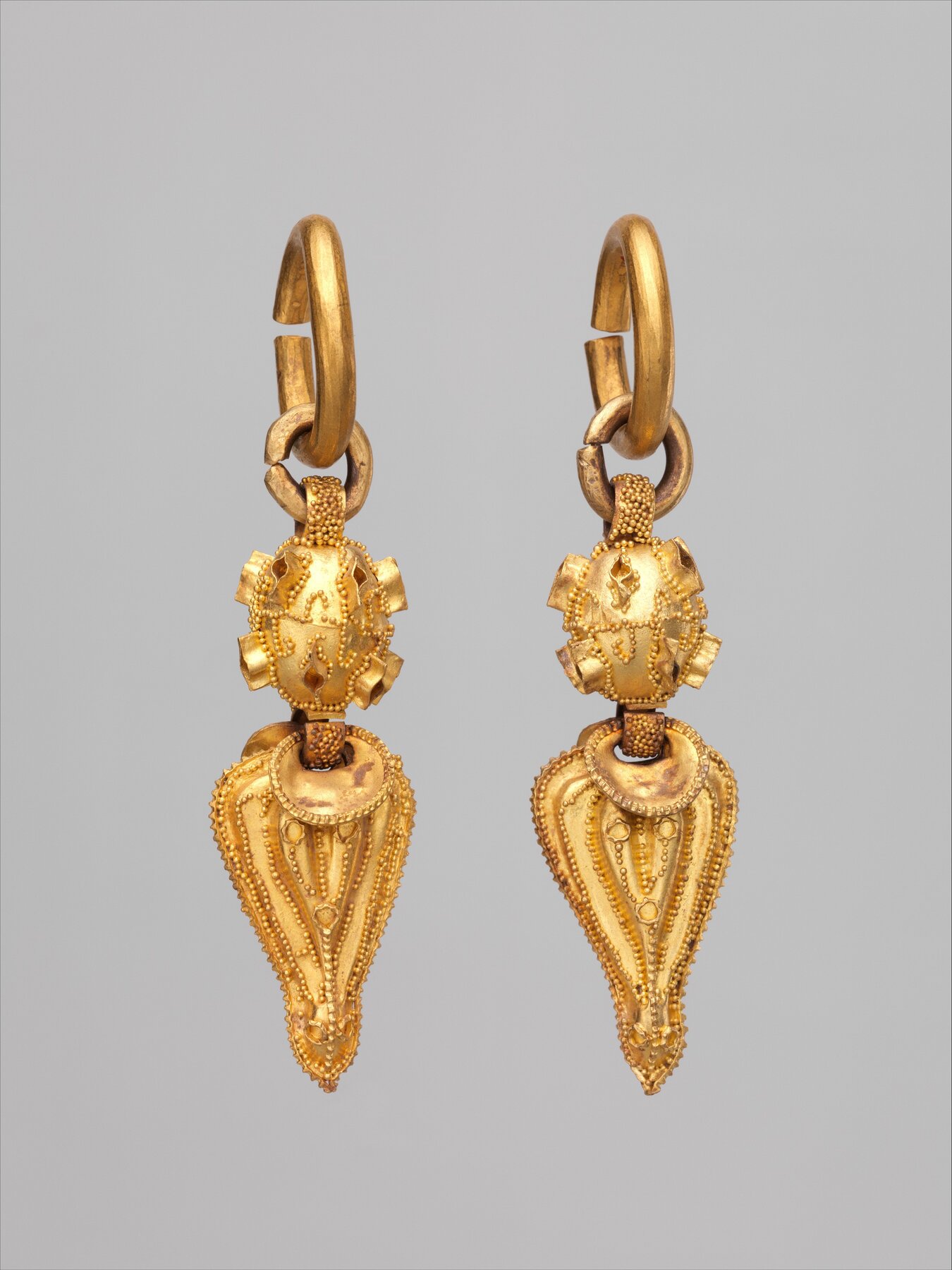
The Silla Kingdom was key to gold moving along the Silk Road.
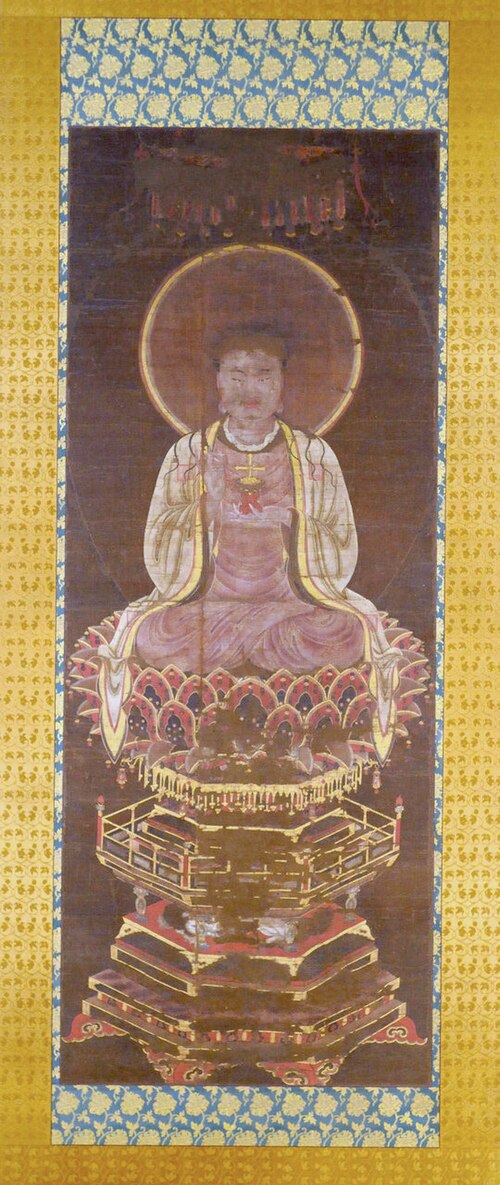
How a dead religion is still remembered, more for its art than for its ideas.
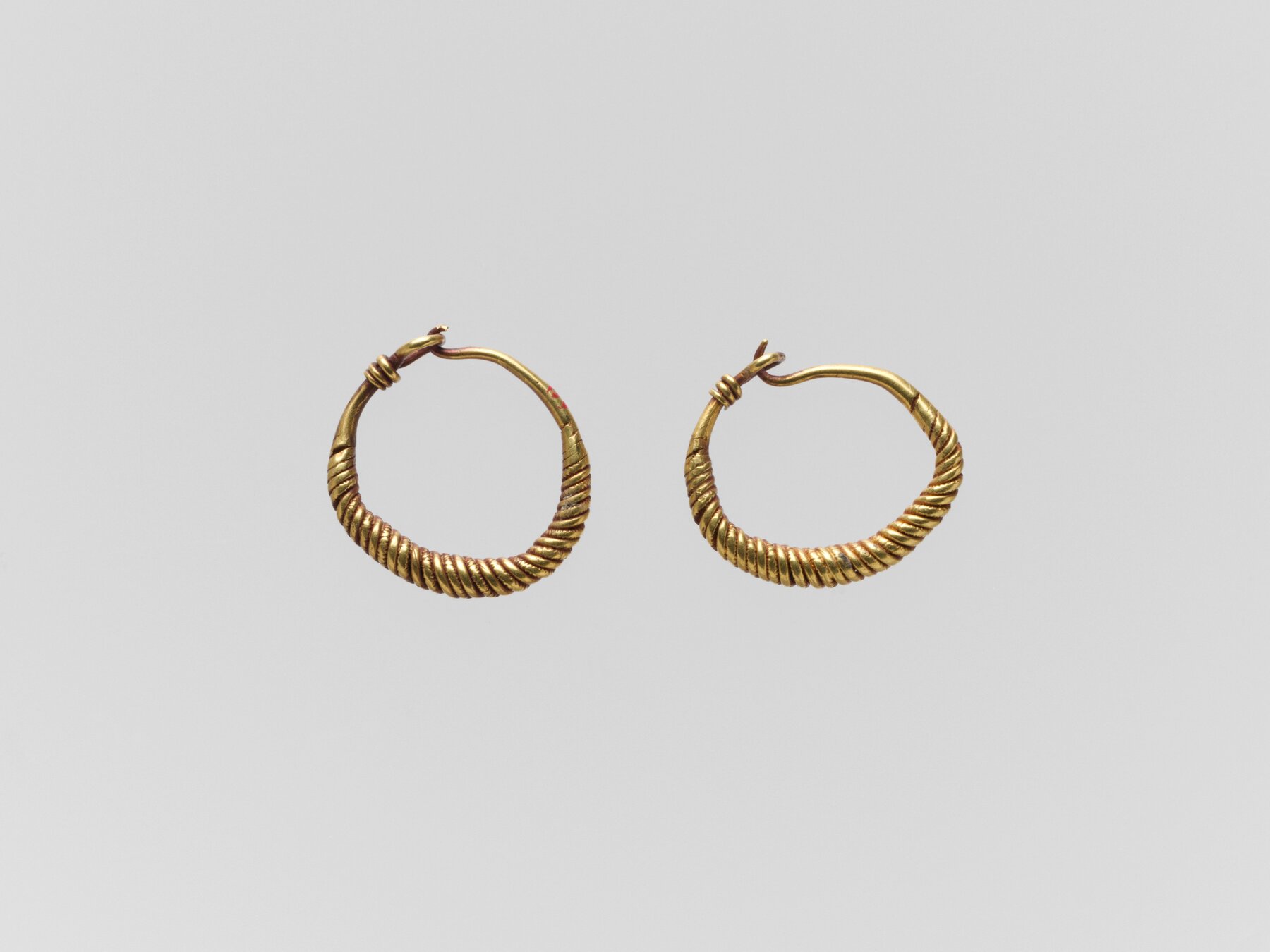
Roman jewelry is a symbol showing wealth and status.
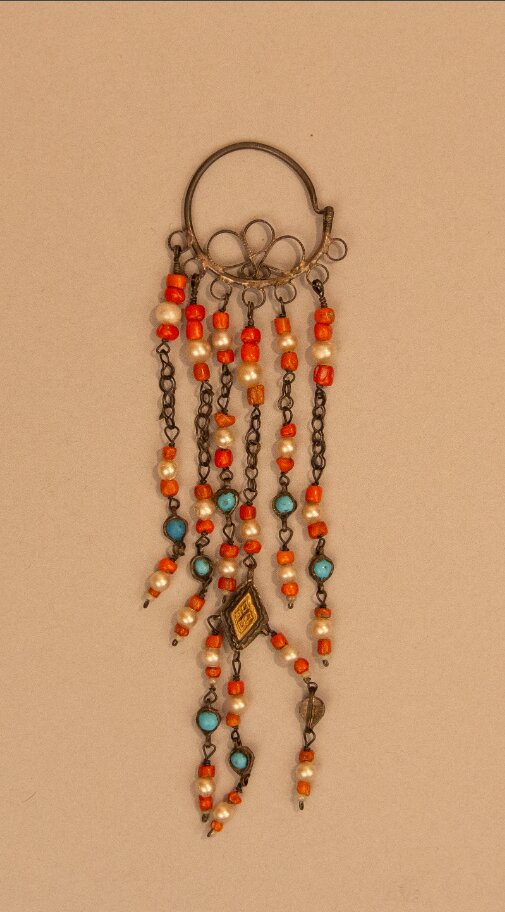
In the premodern era, Persia was an important part of the Silk Road Trade Network.
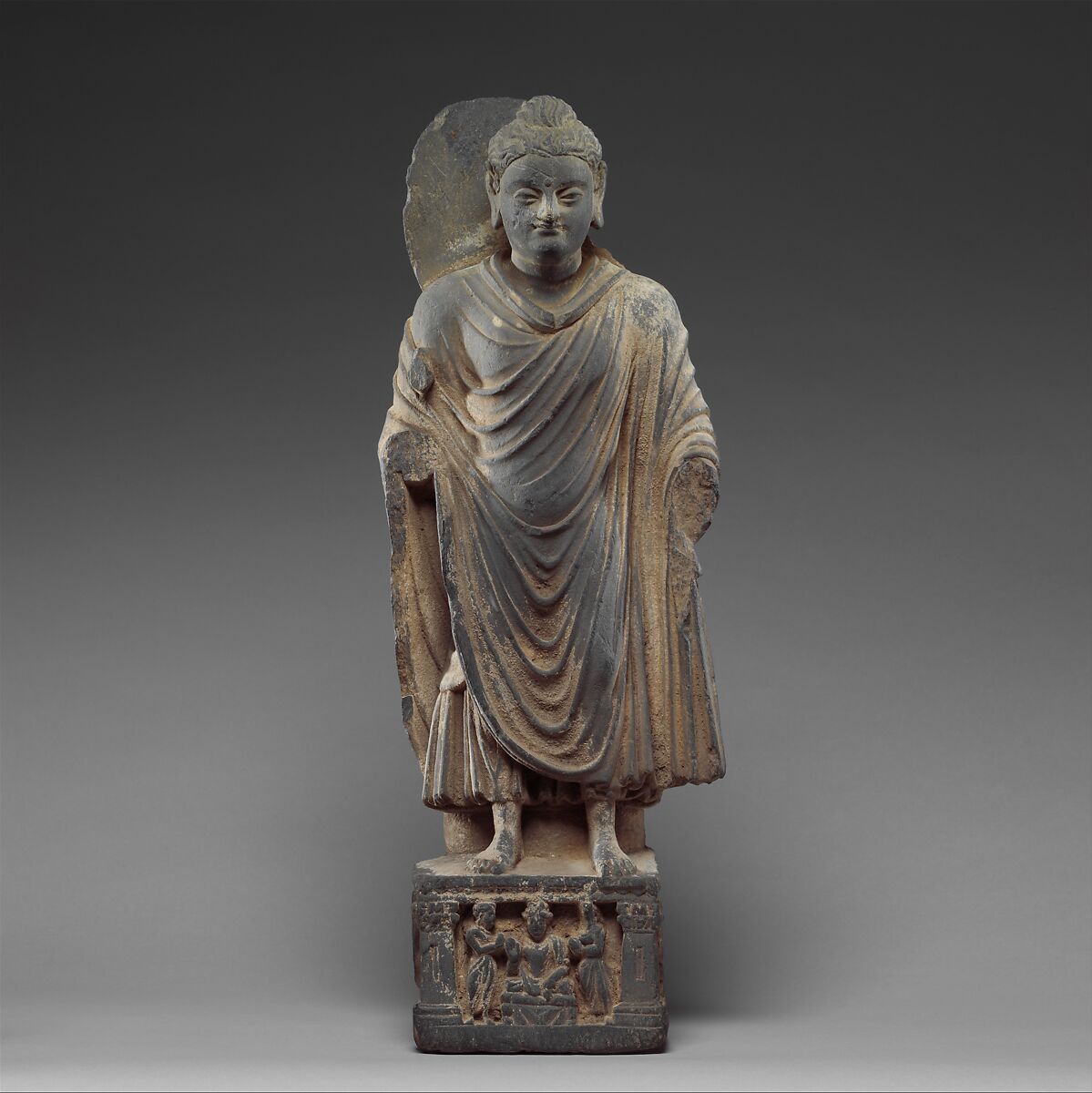
Buddhism has been spread across many different regions along the Silk Road.

Through conflict and collaboration, weapons technology integrates in many forms across Eurasia through millennia.

This essay connects four sports objects from the Silk Road to show how activities like chui wan, falconry, wrestling, and polo were about more than simple entertainment.
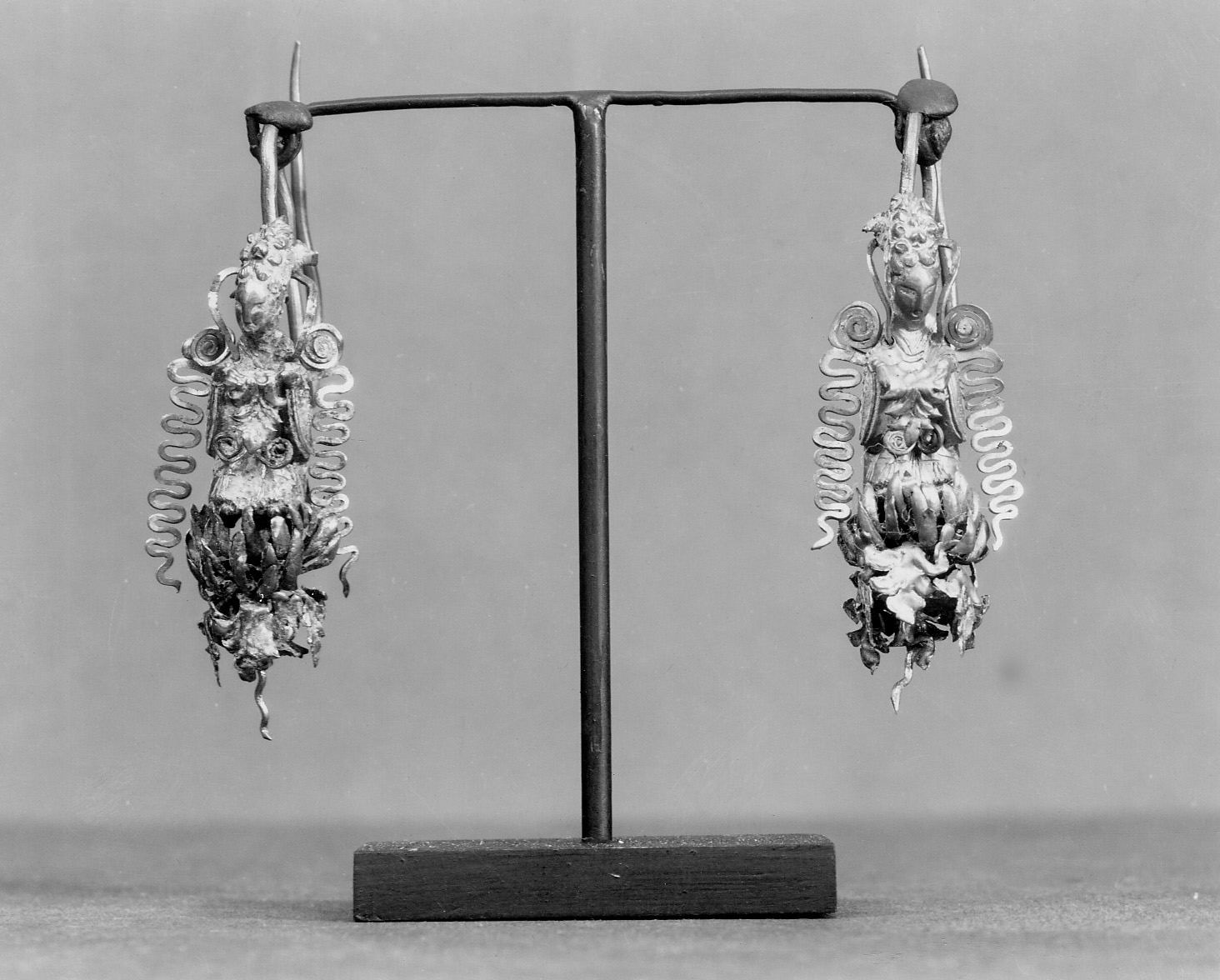
Tang Dynasty jewelry reflects the cultural exchange and global connection.
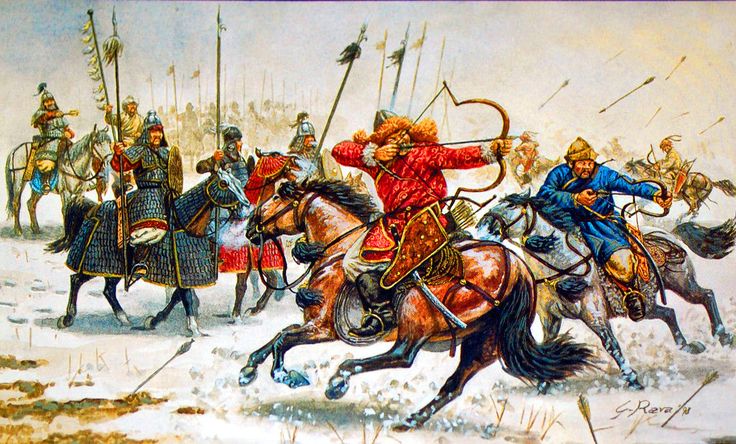
The Mongol Empire was instrumental in shaping the Silk Road that we study today.
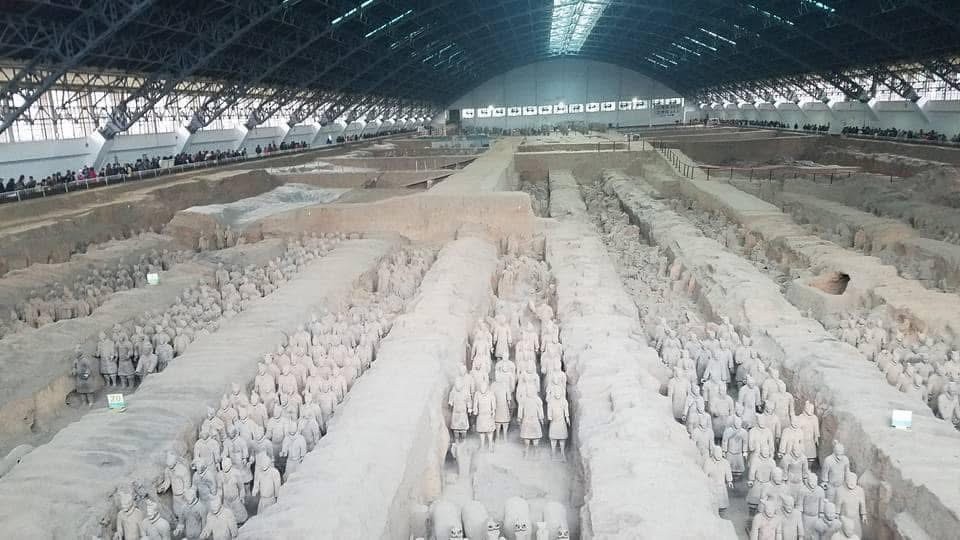
The Terracotta Army is a vast army of life-size clay soldiers buried over 2,000 plus years ago to stand guard near the tomb of China’s first emperor, Qin Shi Huang, in the afterlife.

The Silk Road offered an influence over Upper Class women's dress and style.
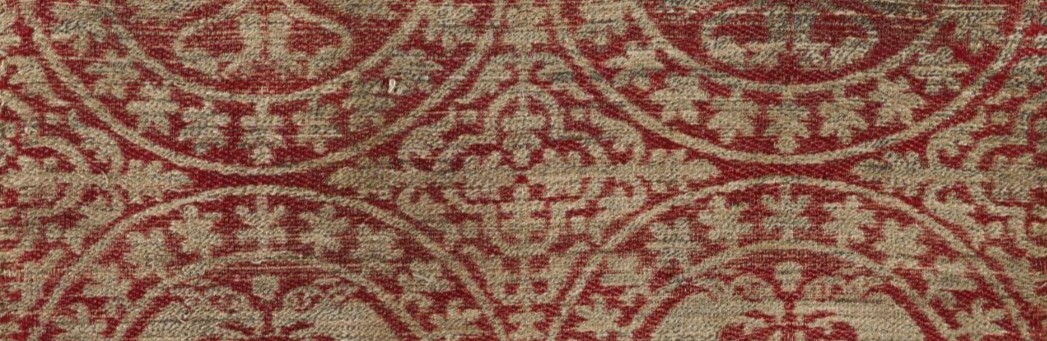
Wealth and trade goods that came to Venice from places eastward such as China, Central Asia, Syria, and Egypt, but entire industries that came to Venice and in turn came to define the Venetian economy.
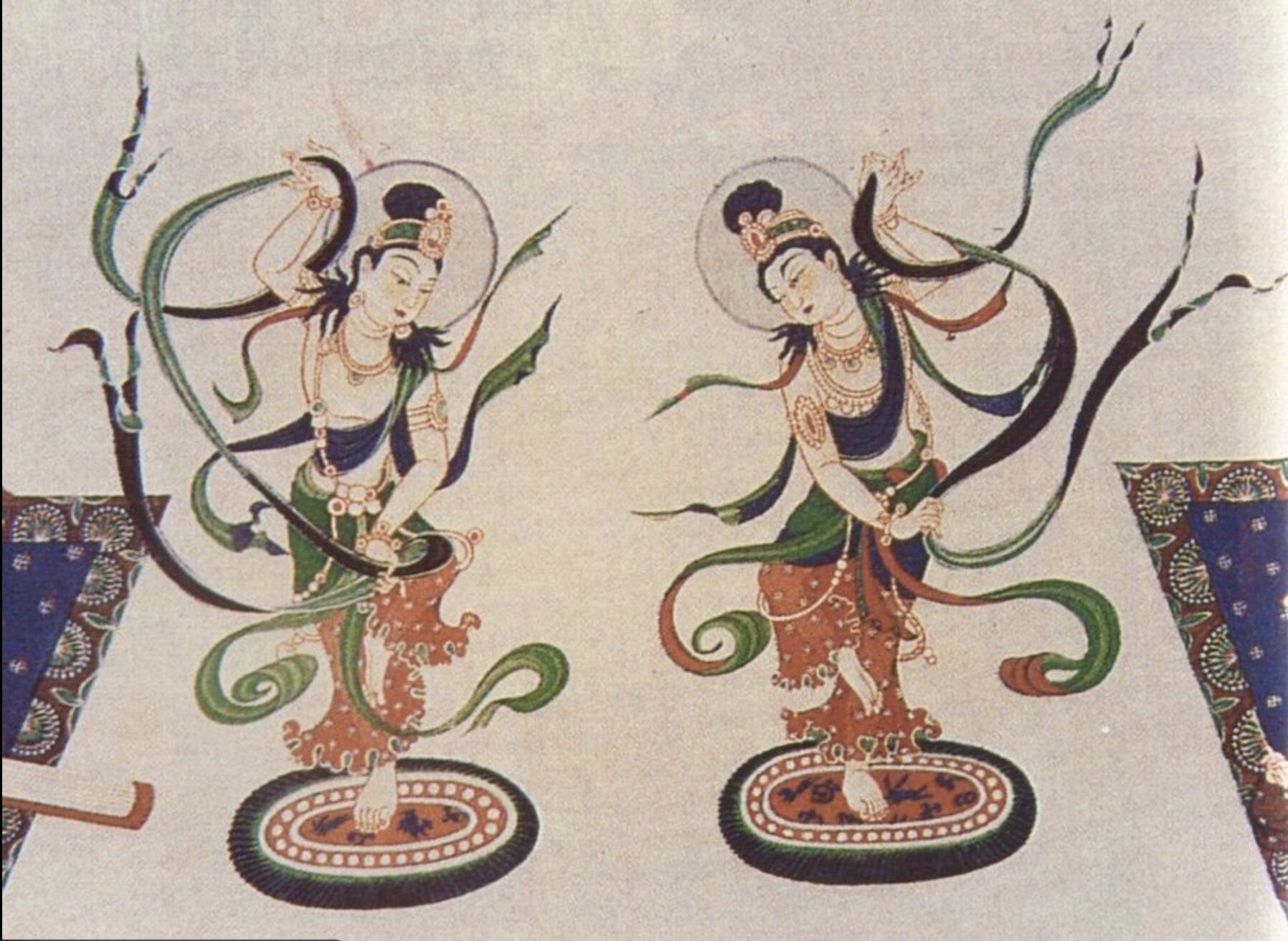
This thematic essay explores how women, dance, clothing, and spirituality reflected cultural exchange along the Silk Road during the Tang Dynasty.