Sketchbook Tags
A way to browse the AI Sketchbook laterally rather than by section. Useful when the pattern you care about is something like writing, fabrication, archives, or source evaluation rather than whether a sketch started in teaching or research.
Below are the tags currently in use across sketchbook post pages. As the sketchbook grows, this should become a more useful way to move across related ideas.
Showing all sketchbook posts with tags.
AI Integration Ladder
Key questionHow can a course distinguish between different levels of acceptable AI use?
ActivityA course policy framework that names different levels of AI use, from prohibited to required, so expectations can vary by assignment.
What students learn- AI rules can change depending on the purpose of the task
- different levels of AI use require different forms of accountability
- permission is not the same thing as integration

AI Use Notes
Key questionHow can students disclose AI use in a way that supports learning?
ActivityA policy sketch for asking students to document AI use in a short reflective note rather than treating disclosure as a confession.
What students learn- AI use can be documented as part of process
- disclosure should distinguish assistance from substitution
- students are accountable for accepting, rejecting, and revising AI output
Argument Audit
Key questionHow can AI help sharpen writing skills instead of replace them?
ActivityStudents use AI-generated objections to test whether a thesis is vague, vulnerable, or genuinely persuasive.
What students learn- the difference between tone and analytical precision
- what makes an objection substantive vs. generic
- how vague writing produces vague critique
Assignment-Level AI Permissions
Key questionWhat does an assignment need to say about AI beyond the syllabus policy?
ActivityA policy sketch for attaching a short AI permission statement to each assignment rather than relying only on the syllabus.
What students learn- AI permissions depend on what an assignment is meant to assess
- students should know what evidence of learning they must produce
- clear assignment language reduces accidental policy confusion
Citation Test
Key questionHow can AI output help students learn scholarly integrity?
ActivityStudents verify AI-generated citations one by one and turn fabricated sources into a lesson about evidence and authority.
What students learn- why polished prose is not evidence of accuracy
- how hallucination happens and why it's convincing
- verification is a scholarly habit that connects classroom work with library expertise
Course AI Postures
Key questionWhat overall posture should a course take toward AI?
ActivityA framework for deciding whether a course treats AI as a forbidden shortcut, limited aid, routine tool, or object of study.
What students learn- AI policies reflect course values and learning goals
- different courses can make different legitimate choices
- a policy should explain its reasons, not only its rules
Differentiate Yourself From AI
Key questionWhat should an AI policy ask students to make visible?
ActivityStudents may use AI, but their submitted work must show intellectual moves, evidence, and judgment that clearly belong to them.
What students learn- AI use does not remove responsibility for the final work
- authorship can be demonstrated through judgment, evidence, and revision
- using AI well requires students to know what they can do that AI cannot
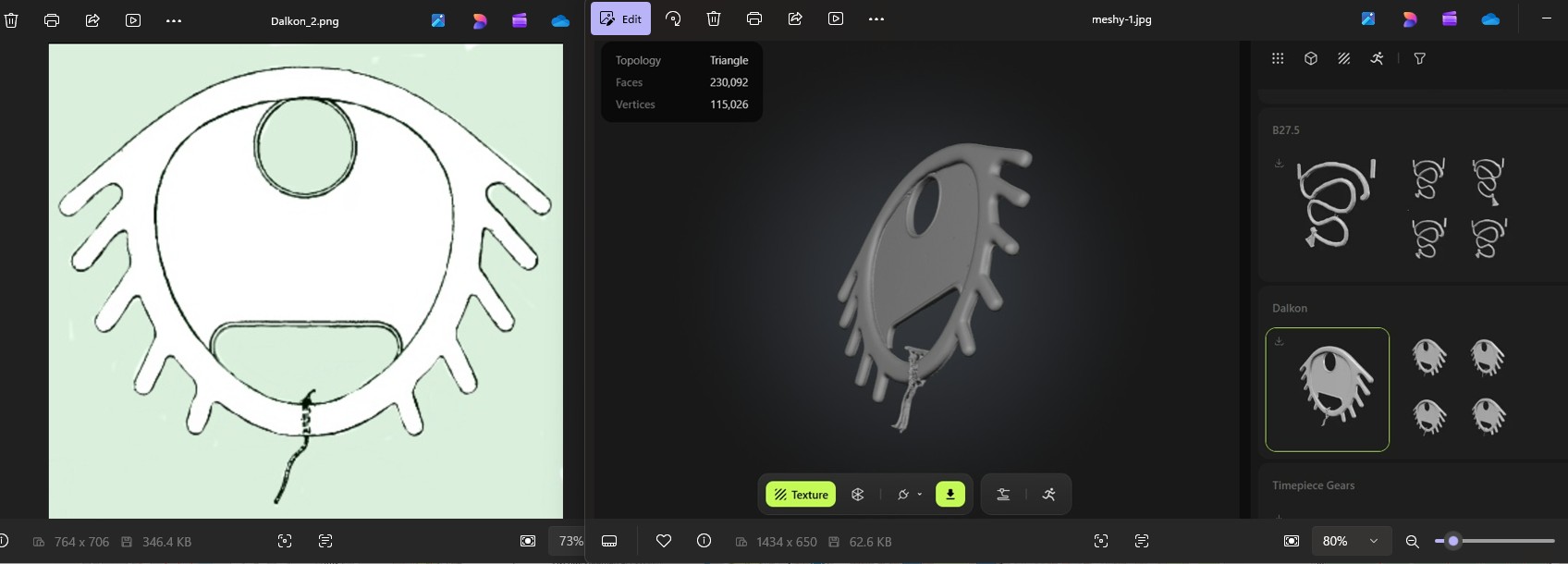
Generate 3D Prints from 2D Drawings
ExperimentAI can transform a historical line drawing into a 3D-printable file, adding a tactile dimension to research that images alone can't provide.
Results- generated 3D-printable files from 2D historical images
- reconstructed material culture objects for research
- incorporated tactile elements into research presentations
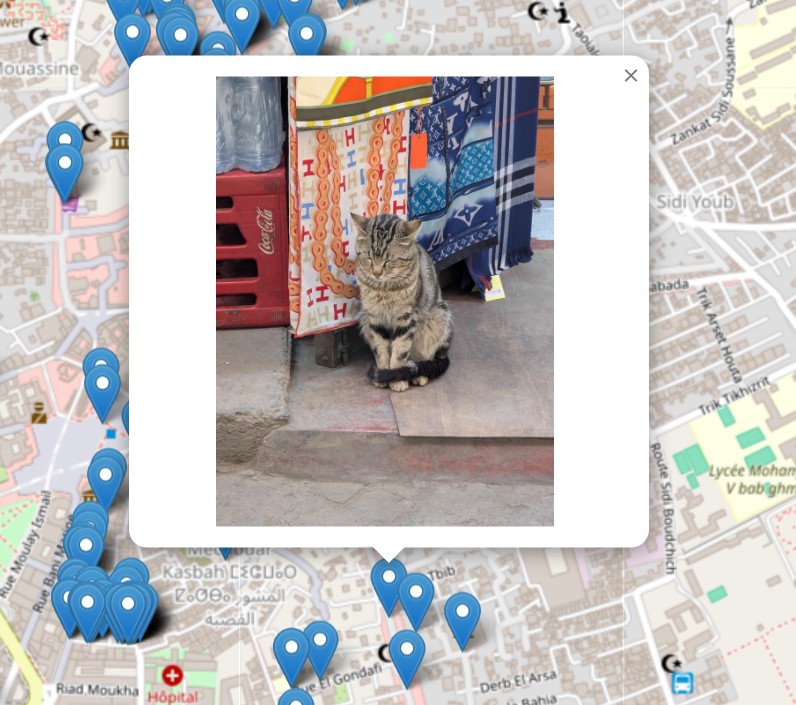
Photos to Map Pins
ExperimentCreate an interactive map with pins for hundreds of photos, using GPS metadata already embedded in your phone's images — in under an hour.
Results- extracted GPS metadata from image files
- built a map visualization with AI-assisted coding
- presented geolocated data in a public-facing format

Remixing Plato
Key questionHow can AI help translate ideas into contemporary culture?
ActivityStudents remix a Platonic dialogue into modern garb using AI to investigate how conversations of authority evolve over time.
What students learn- what AI can and cannot preserve in philosophical argument
- how form and genre reshape meaning
- that prompting requires the same clarity as writing
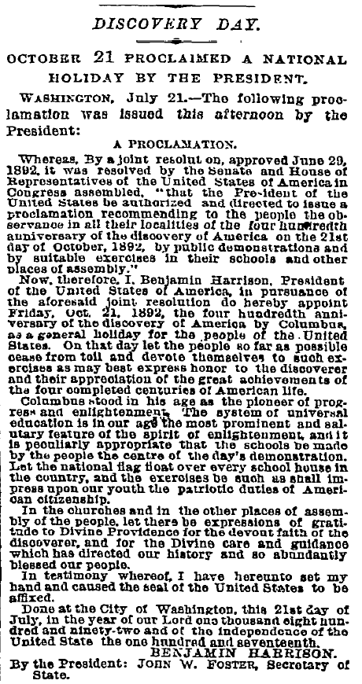
Same Prompt, Different History
Key questionThe same prompt to ChatGPT produces different histories depending on whether you're logged in or not — and that difference is the lesson.
What students learn- how context shapes historical interpretation
- what filter bubbles look like in practice
- the difference between pronouncing and puzzling about sources
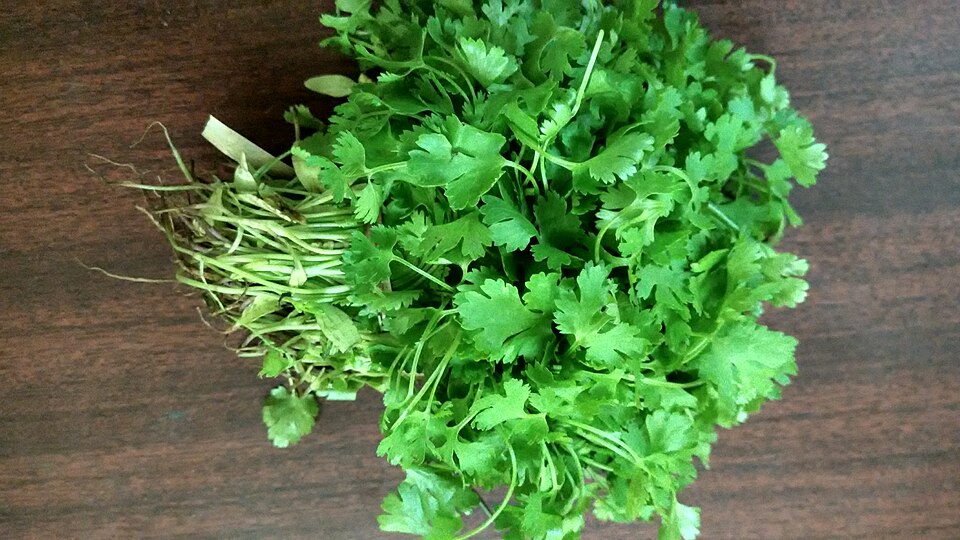
What Does Cilantro Taste Like?
Key questionHow to introduce students to the basics of AI output differences?
What students learn- AI is a spectrum of models, not one fixed thing
- how temperature, token limits, and sampling shape output
- what training data has to do with what a model knows

When AI Could Read What Archivists Couldn't
ExperimentTo create an AI agent to work with Gemini and Claude to bulk process 300 images of archival documents and enable full-text search of medieval handwriting.
Results- built an agentic pipeline for bulk document processing
- combined multiple LLMs to improve transcription accuracy
- enabled full-text search of handwritten archival sources
No sketchbook posts match this tag yet.