Argument Audit
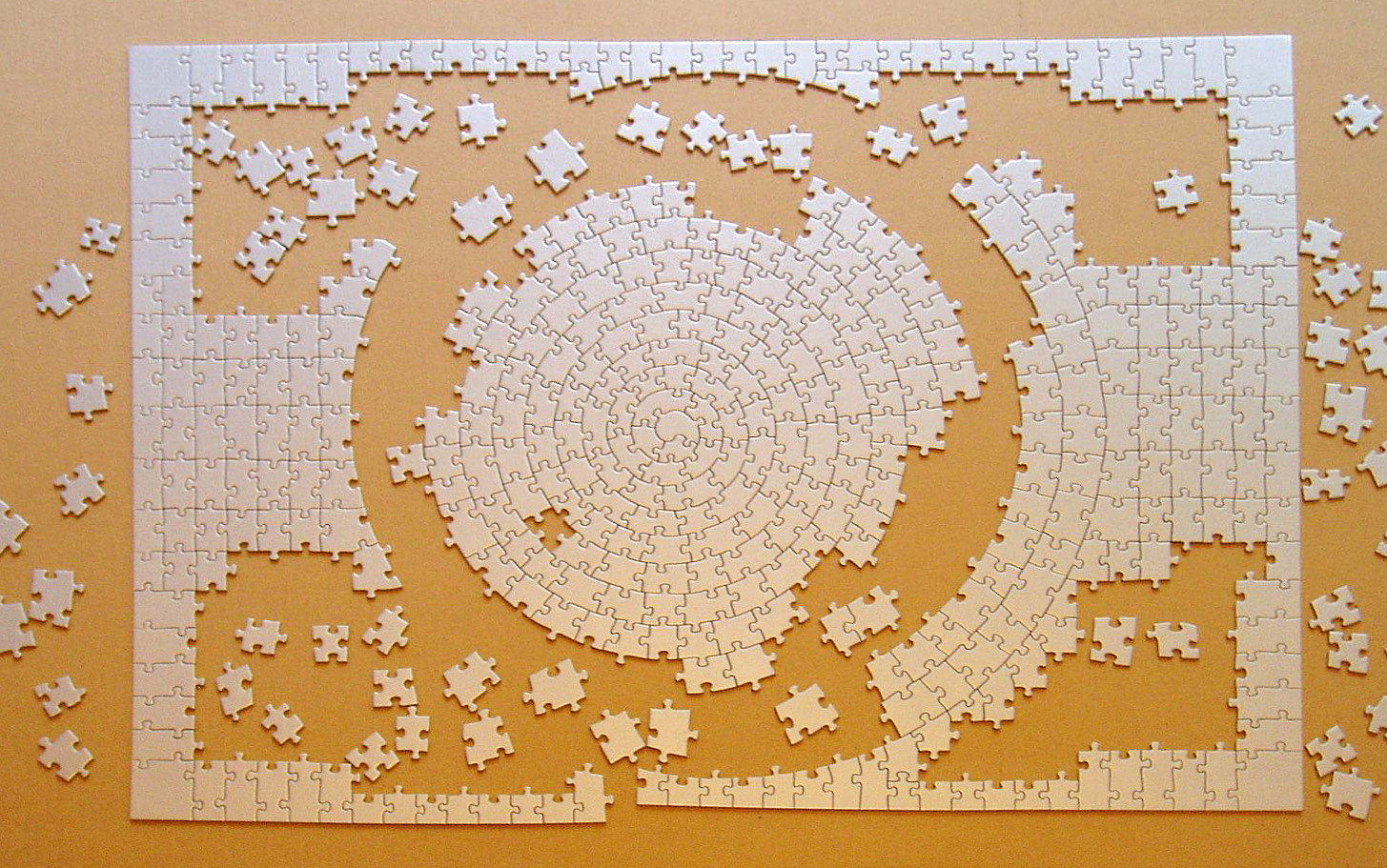
Puzzle, photo by Muns (derivative by Schlurcher), 2009. CC BY-SA 2.0, via Wikimedia Commons.
Puzzle, photo by Muns (derivative by Schlurcher), 2009. CC BY-SA 2.0, via Wikimedia Commons.
Most students meet critique at the end, when a draft is nearly done and feedback feels like polish. This exercise pulls it forward. AI supplies a stack of objections on demand, and students have to decide which are noise and which just found a hole in their argument.
Students bring a working thesis paragraph, an interpretive claim, or a partial draft. They paste it into an AI tool and ask for the three strongest objections it can come up with.
Then they annotate each objection and sort it into one of three piles:
The sorting is the assignment. Students have to say why an objection fails instead of waving off the ones that are hard to answer. They take the third pile into their final revision.
Prompt
Here is my argument: [paste your thesis paragraph or interpretive claim]. Generate the three strongest objections you can imagine to this argument. For each objection, be as specific as possible — refer to the actual claims I’m making, the evidence I’m relying on, or the logical moves I’m asking the reader to accept.
An objection only counts if it lands on the claim actually being made. To dismiss one, students have to pin down their scope, evidence, and stakes, which is exactly what revision needs. And AI objections make a useful foil: they sound authoritative while floating free of the text, so students see for themselves that a confident tone isn’t the same as a precise point.
AI’s confidence can make thin counterarguments feel weightier than they are.
A few minutes of modeling the sorting up front makes a big difference, especially with students who have never had to explain why an objection fails instead of just dismissing it.
This sketch is licensed under Creative Commons BY-NC-SA 4.0. You're welcome to share and adapt it for noncommercial purposes, with credit, as long as you share your adaptation under the same license.
Image Puzzle, photo by Muns (derivative by Schlurcher), 2009. CC BY-SA 2.0, via Wikimedia Commons. The image's own license applies to it, separately from the sketch.
Suggested citation
Fred Gibbs. "Argument Audit." AI Sketchbook, Amaranth, University of New Mexico, April 9, 2026. https://amaranth.unm.edu/ai-sketchbook/teaching/argument-audit.html. Licensed under CC BY-NC-SA 4.0.