Teaching Sketches
Assignments, discussion setups, and classroom experiments for courses that want to engage AI seriously, not just acknowledge it exists. The common thread is using AI to make student thinking more visible, more discussable, and sometimes a little stranger in useful ways.
How to read these
Treat each teaching sketch as adaptable rather than prescriptive. Some are quick classroom activities; others are assignment frames. The setup sections are there to make adaptation easier, and the caveats are often where the most useful teaching questions live.
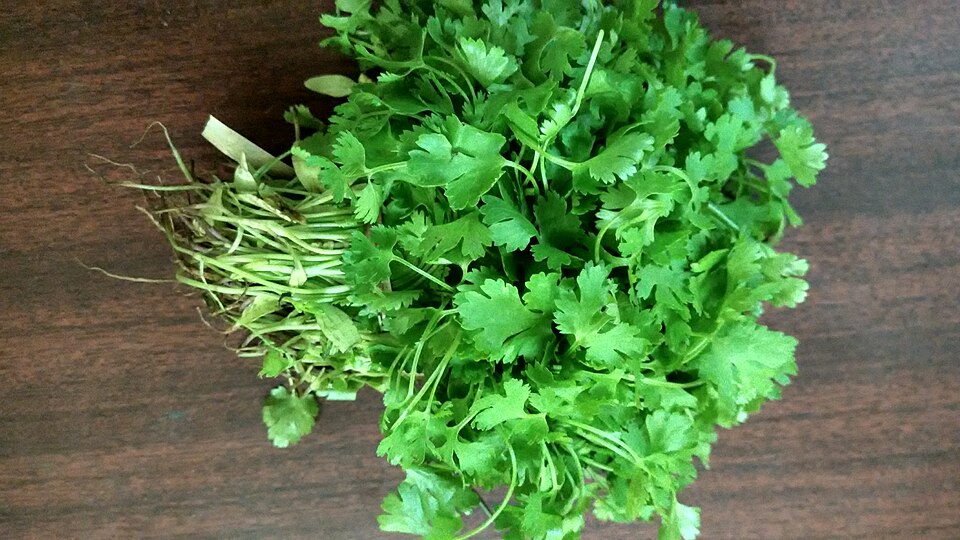
What Does Cilantro Taste Like?
Key questionHow to introduce students to the basics of AI output differences?
ActivityA hands-on demo to show how model size and settings change what AI says — using one simple, relatable question.
What students learn- AI is a spectrum of models, not one fixed thing
- how temperature, token limits, and sampling shape output
- what training data has to do with what a model knows
Argument Audit
Key questionHow can AI help sharpen writing skills instead of replace them?
ActivityStudents use AI-generated objections to test whether a thesis is vague, vulnerable, or genuinely persuasive.
What students learn- the difference between tone and analytical precision
- what makes an objection substantive vs. generic
- how vague writing produces vague critique

Remixing Plato
Key questionHow can AI help translate ideas into contemporary culture?
ActivityStudents translate, reshape, or re-perform a Platonic dialogue through AI — then analyze what changed and why.
What students learn- what AI can and cannot preserve in philosophical argument
- how form and genre reshape meaning
- that prompting requires the same clarity as writing

Citation Test
Key questionHow can AI output help students learn scholarly integrity?
ActivityAsk students to verify AI-generated citations so fabricated sources become a concrete lesson about evidence, authority, citation accuracy, and why LLMs can produce sources that sound real but do not exist.
What students learn- why polished prose is not evidence of accuracy
- how hallucination happens and why it's convincing
- verification is a scholarly habit that connects classroom work with library expertise
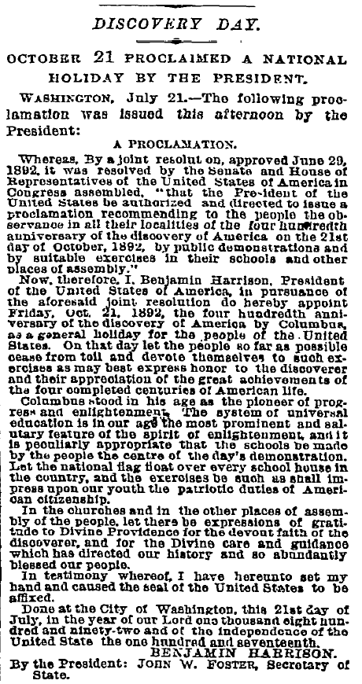
Same Prompt, Different History
Key questionThe same prompt to ChatGPT produces different histories depending on whether you're logged in or not — and that difference is the lesson.
ActivityThe same prompt to ChatGPT produces different histories depending on whether you're logged in or not — and that difference is the lesson.
What students learn- how context shapes historical interpretation
- what filter bubbles look like in practice
- the difference between pronouncing and puzzling about sources
Historians' Café
Key questionCan AI represent a school of thought, or only its vocabulary?
ActivityStudents script an argument among three historians from different schools of thought, then judge whether AI captured real methodological differences or just swapped labels.
What students learn- how methodological assumptions produce different readings of the same evidence
- what a caricature of an intellectual position looks like next to the real thing
- that the quality of AI output depends on how well they already understand the material
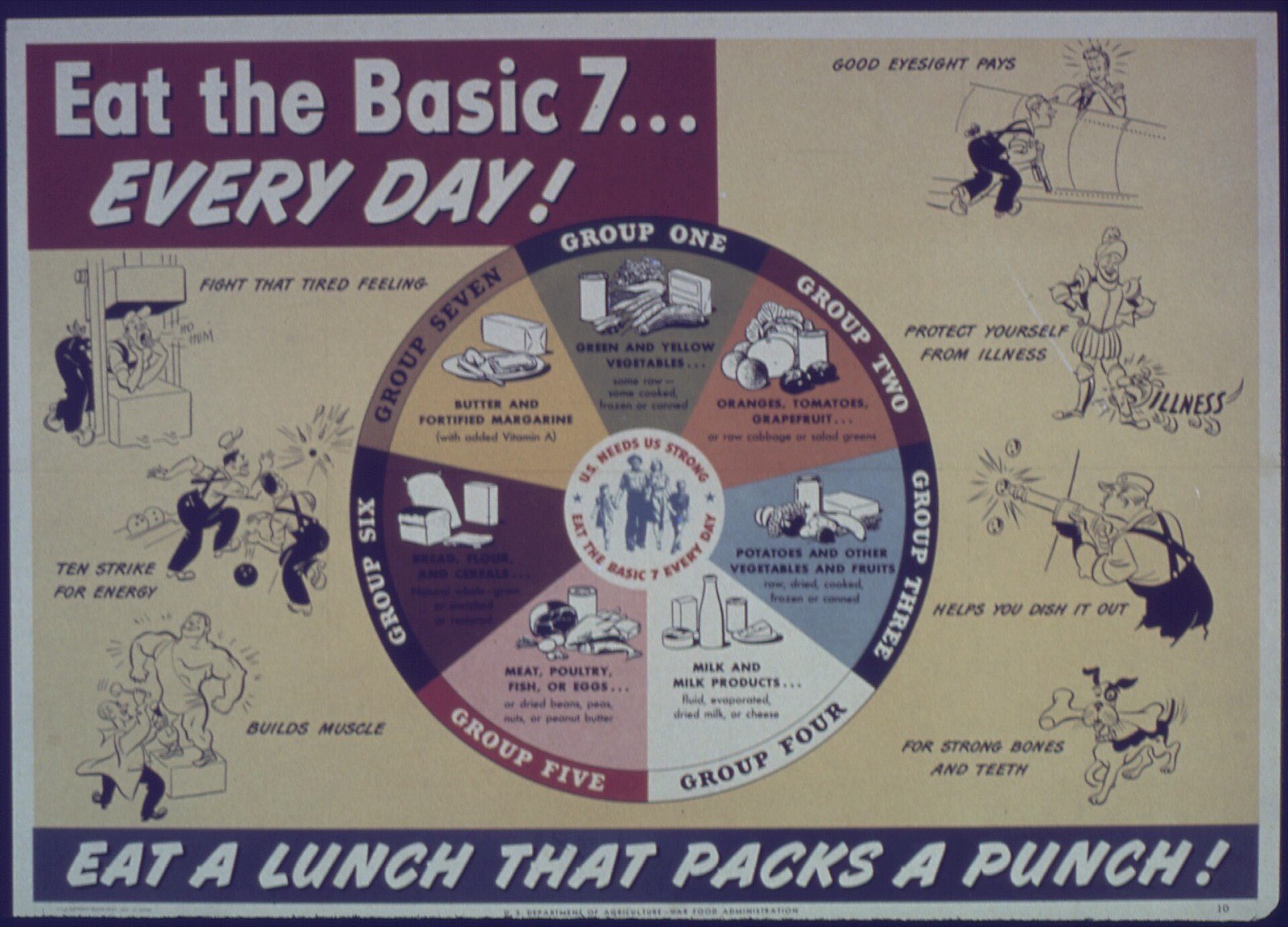
Complicate the Obvious
Key questionWhat does a confident, ordinary answer take for granted?
ActivityStudents ask AI a question with a boringly familiar answer — what is a healthy diet? — then use the course to explain why that answer is neither timeless nor neutral.
What students learn- that practical advice carries a history and a set of assumptions
- how authority gets constructed in a voice that sounds neutral
- what a well-designed follow-up prompt can surface that a first answer hides