Research Sketches
Workflow experiments, analysis techniques, and methodological notes: ways AI has proven useful, uneven, or surprisingly limited in actual scholarship.
How to read these
Treat each research sketch as a field note from an experiment. The point is not that a tool solved the problem, but what it made possible, what it got wrong, and what expertise was still needed around archives, metadata, data ethics, accessibility, privacy, method, or research computing.

Pipelines for Medieval Handwriting Recognition
ExperimentTo create an AI agent to work with Gemini and Claude to bulk process 300 images of archival documents and enable full-text search of medieval handwriting.
Results- built an agentic pipeline for bulk document processing
- combined multiple LLMs to improve transcription accuracy
- enabled full-text search of handwritten archival sources
Initiate Research with an Annotated Bibliography
ExperimentThis sketch demonstrates how to construct a prompt for a high quality annotated bibliography.
Results- a sophisticated and reliable annotated bibliography to initiate research
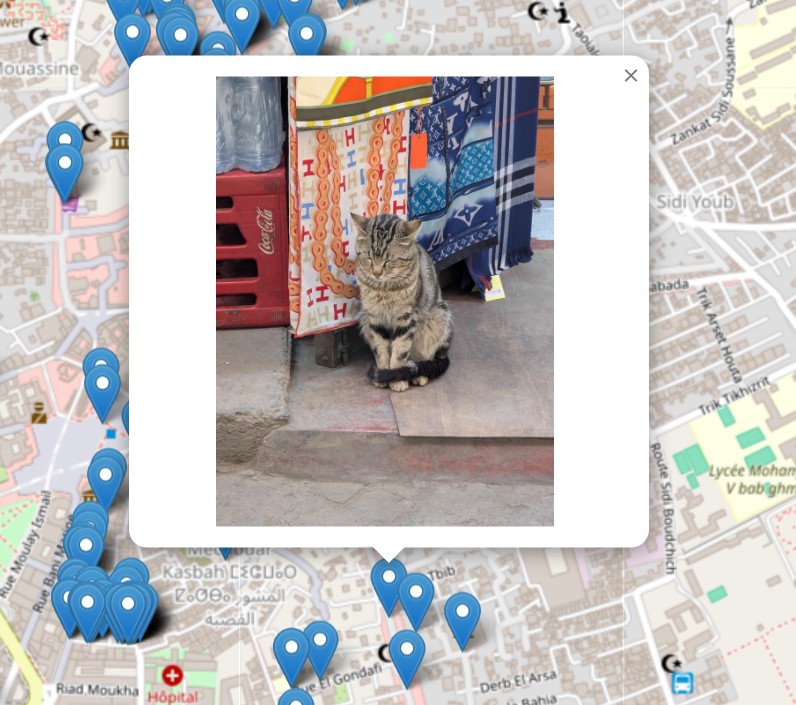
Photos to Map Pins
ExperimentCreate an interactive map with pins for hundreds of photos, using GPS metadata already embedded in your phone's images — in under an hour.
Results- extracted GPS metadata from image files
- built a map visualization with AI-assisted coding
- presented geolocated data in a public-facing format

Effect of Model Tiers on LLM Responses
ExperimentThis sketch shows the difference in response quality baseed on the LLM model tier.
Results- hallucinations occur far less frequently with higher tier models
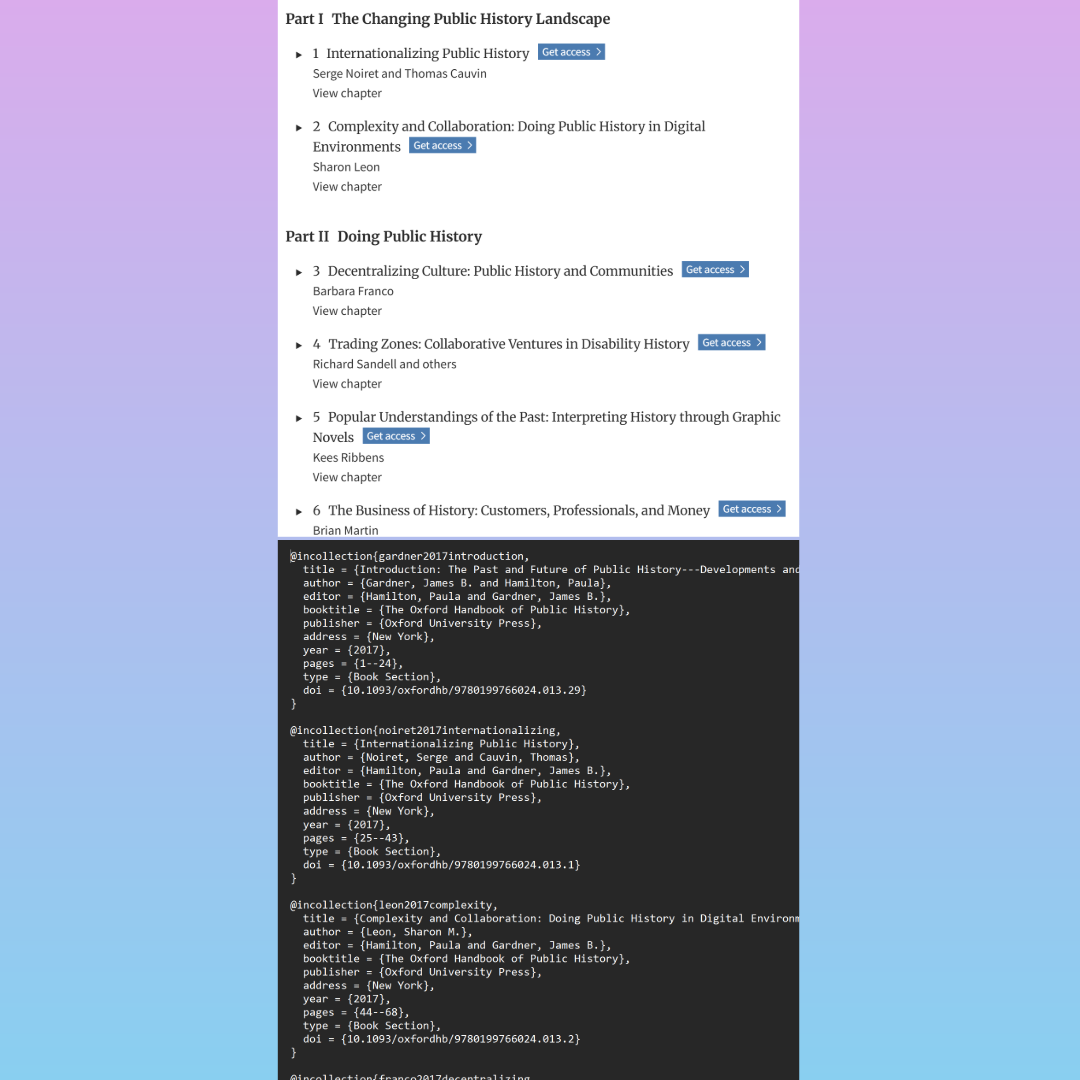
Table of Contents to Zotero
ExperimentWith one prompt get entries in Zotero from a book of essay chapters.
Results- extracted data from the Table of Contents
- built a file in BibTeX format
- imported to Zotero
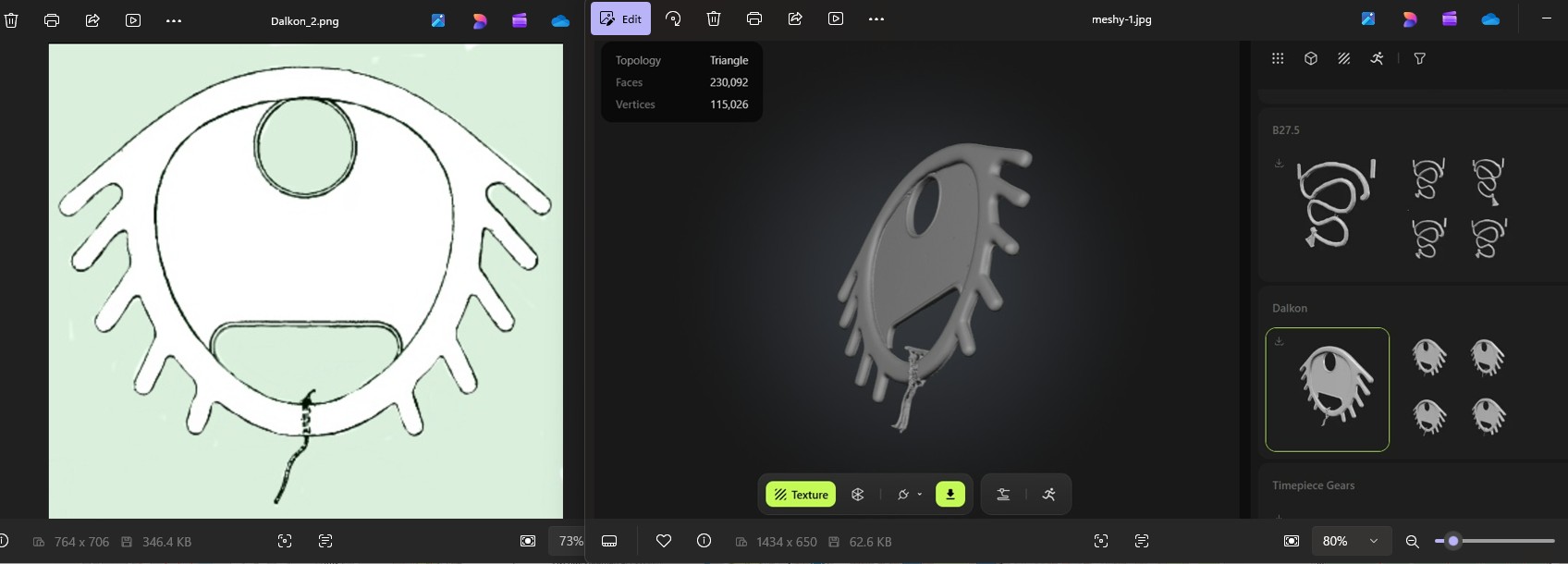
Generate 3D Prints from 2D Drawings
ExperimentAI can transform a historical line drawing into a 3D-printable file, adding a tactile dimension to research that images alone can't provide.
Results- generated 3D-printable files from 2D historical images
- reconstructed material culture objects for research
- incorporated tactile elements into research presentations
A Panel of Specialist Readers
ExperimentAsk AI to review a draft article separately as each of the specific readers it will actually face — subfield expert, adjacent specialist, volume editor, fellow contributor.
Results- four distinct reviews of the same draft, each from a named vantage point
- insights from every perspective that I had not considered
- substantive revisions to the article