Writing for the ear
A podcast lets you bring your ideas to people where they already are—on a commute, a walk, doing dishes. It demands a different kind of writing than academic prose: conversational, structured around curiosity, designed to hold attention through narrative rather than citation. That shift in register isn’t a compromise. It’s a skill.
Podcasting is also a way to share work-in-progress. In a university setting, there’s pressure to hold back your ideas until after several drafts and peer review. But sometimes sharing early opens up possibilities—unexpected connections, fruitful collaborations, the chance to think through an argument by explaining it to someone else.
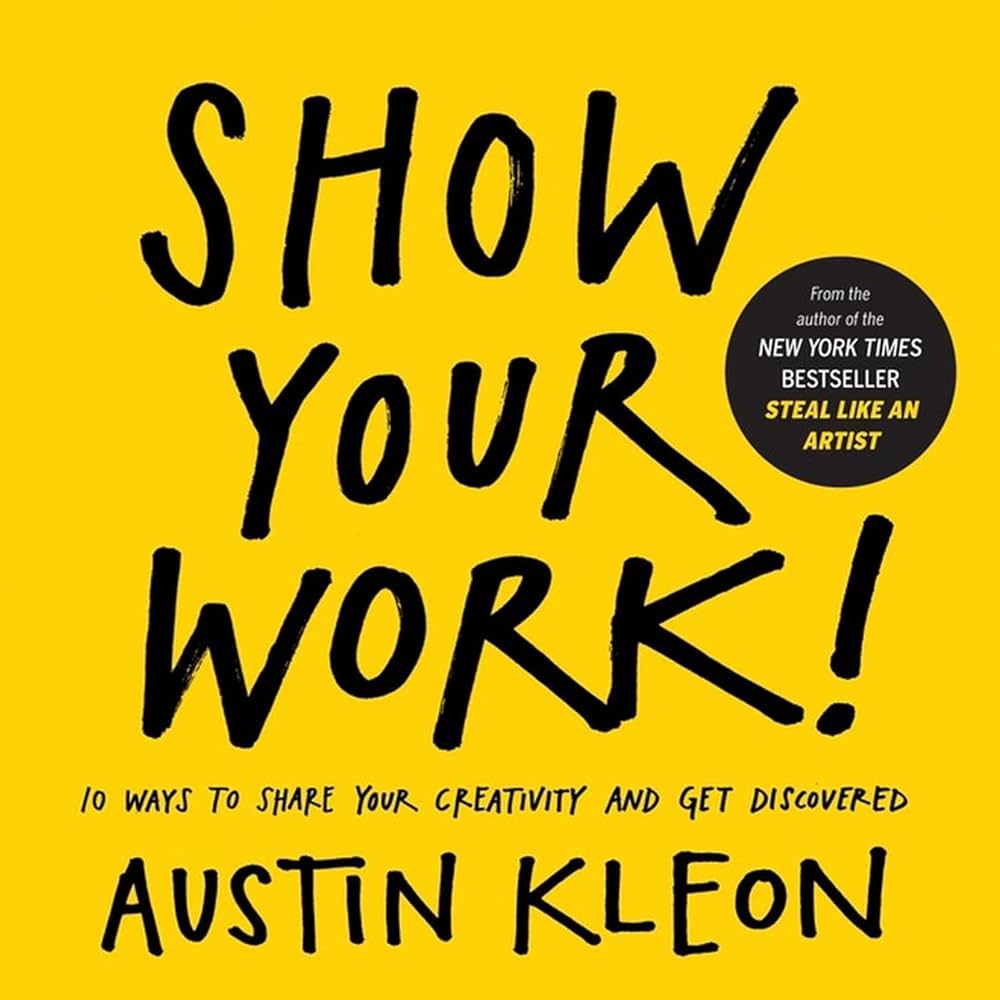
We’re all terrified of being revealed as amateurs, but in fact, today it is the amateur—the enthusiast who pursues her work in the spirit of love (in French, the word means ‘lover’), regardless of the potential for fame, money, or career—who often has the advantage over the professional. Because they have little to lose, amateurs are willing to try anything and share the results. They take chances, they experiment, and follow their whims. … Amateurs know that contributing something is better than contributing nothing. Amateurs might lack formal training, but they’re all lifelong learners, and they make a point of learning in the open, so that others can learn from their failures and successes. — Austin Kleon, Show Your Work!
Hook them in the first sixty seconds
Start with a hook. Within the first minute, give the listener a puzzle, a question, or a story that makes them want to stay. This also helps you structure the rest of the episode—everything should pull the listener toward a resolution of that opening tension.
Plan your takeaways. As you outline your script, make sure there’s something worth learning at regular intervals. A good podcast rewards attention; listeners should feel like they’re gaining something every few minutes.
Leave room to wander. A script keeps you focused, but the best podcast moments often come from unplanned digressions—a tangent that turns out to be the most interesting part, a story you didn’t plan to tell. Write a guide, not a cage.
Getting started
You don’t need professional equipment. A phone and a quiet room work for a first episode. For higher quality, the YETI mics in the studio are available, and our guides for recording audio and editing with Audacity cover the technical side. The harder part—finding your voice, shaping a story, deciding what matters—is what we’re here to help with.