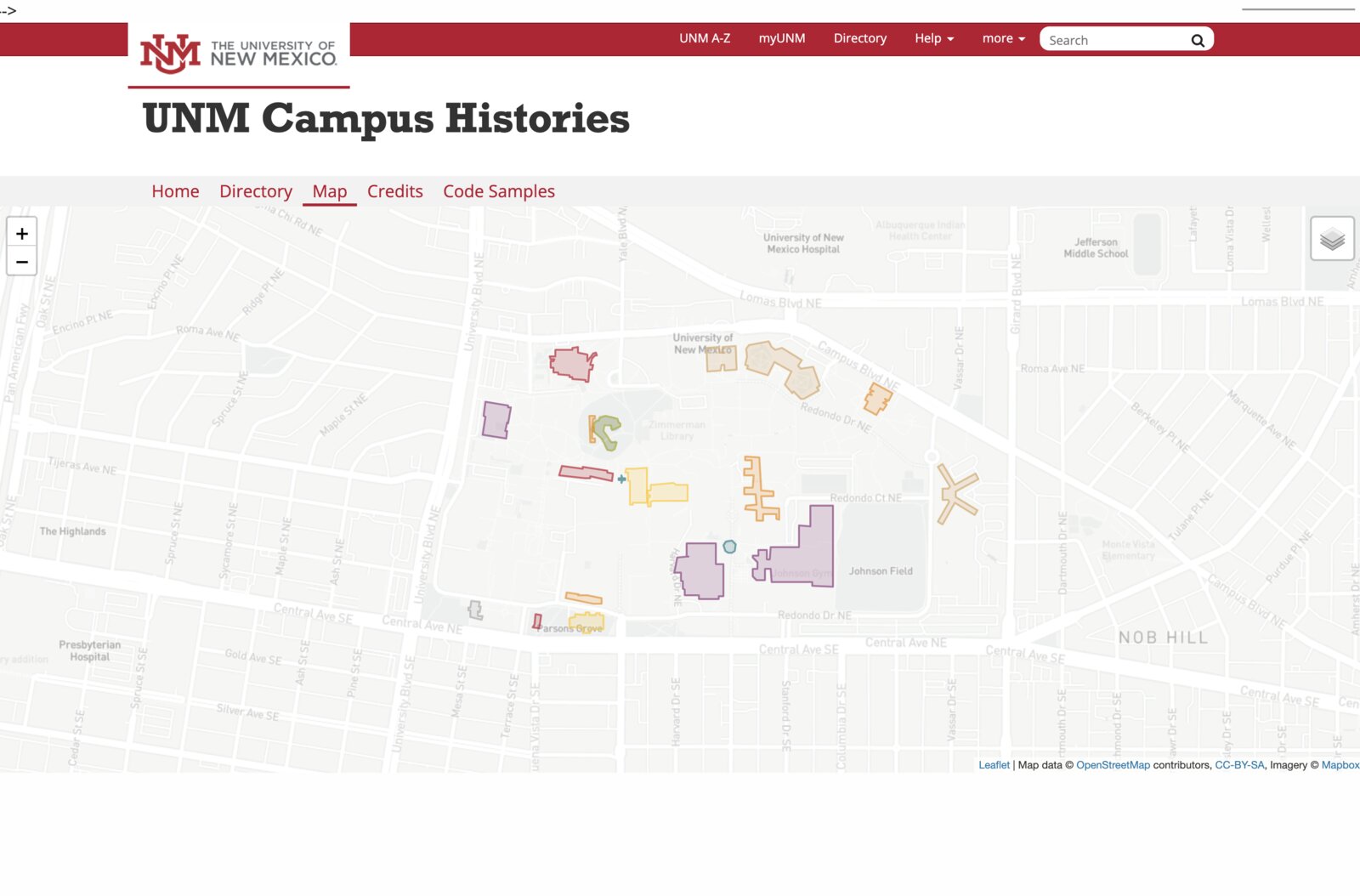
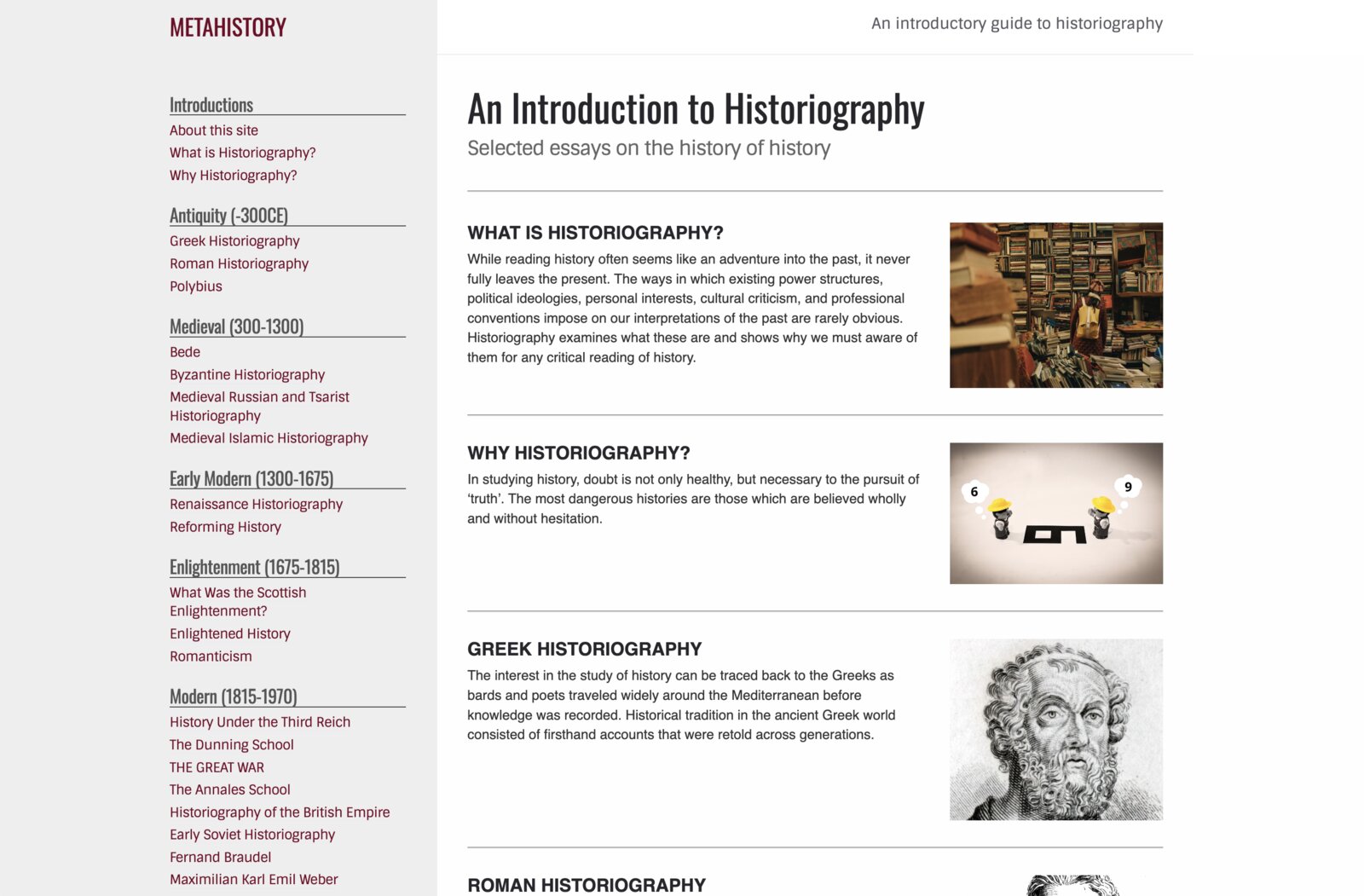
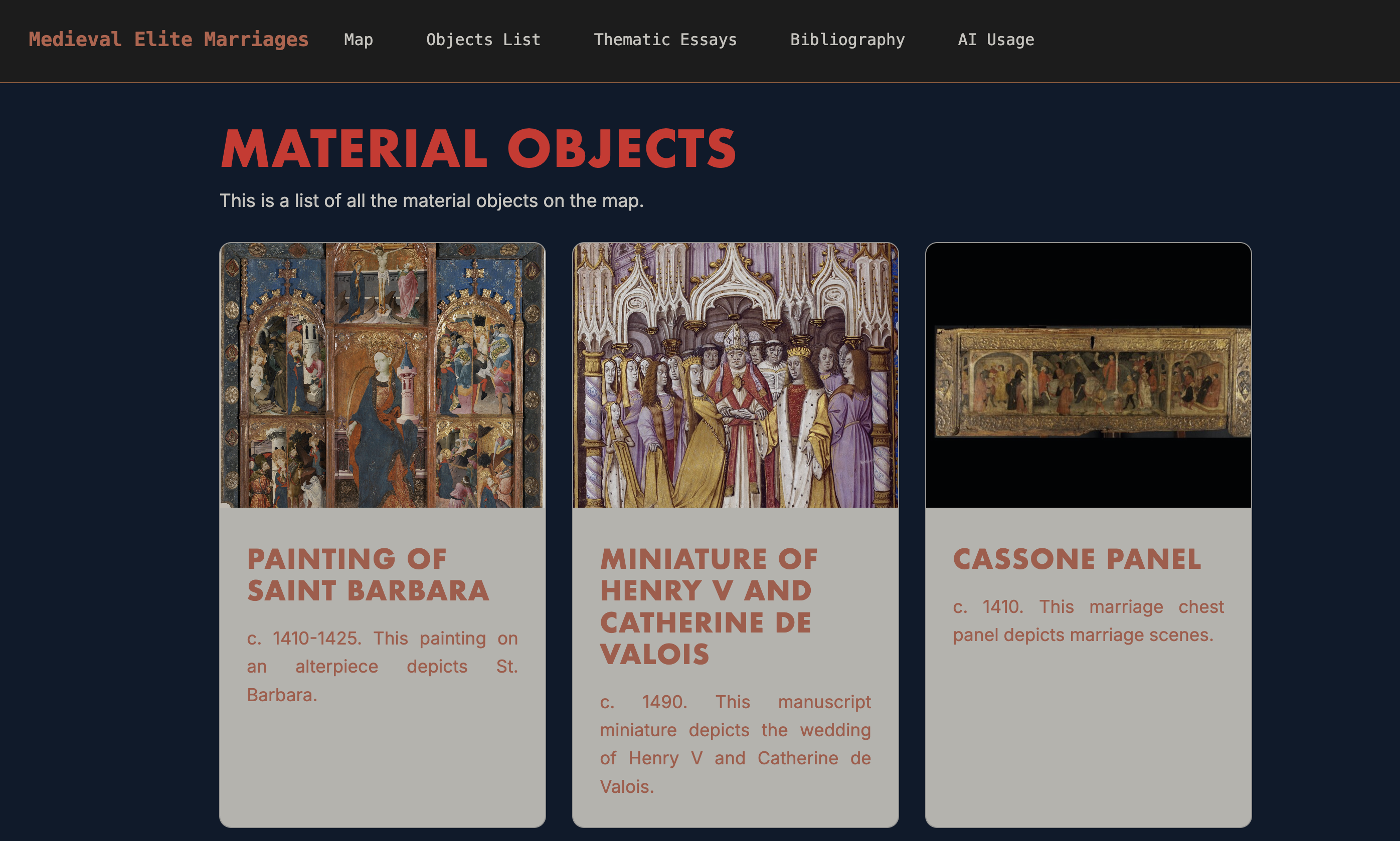
The Xanthan framework started as a personal experiment—whether GitHub could be used to create a shared repository for course work. That, unexpectedly, grew into a collaborative website. Students were excited. That grew into a general framework for aggregating student work over different semesters. Students loved reading previous students’ work as an introduction to course material, making edits, adding their own essays.
Most academic web publishing advice amounts to picking the least-bad platform. Squarespace if you want it to look decent. WordPress if you want flexibility. Institutional systems if you want to comply. In almost all cases, you trade control and transparency for convenience—and when the platform changes, you adapt or walk away.
Xanthan priorities openeness and pedagogy. It’s built on Jekyll and GitHub Pages: open source, free to host, no subscription. Sites are created from easily accessible and editable plain-text files. The infrastructure is so basic to web fundamentals, it’s not going anywhere.
That’s not just a technical preference. It’s an argument about what digital humanities work should be able to promise its audiences—that a site built today won’t disappear after a security patch, or move behind a higher paywall, or that changing platforms means starting over with your content.
Every project helps us clarify and improve. A student discovers that changing a font requires editing a file she’s never seen. A professor needs to embed a map and the documentation doesn’t cover it. A scroll narrative looks perfect on a laptop and looks weird on a phone.
These aren’t failures—they’re teaching moments for everyone. The framework is a record of everything we’ve learned about what a useful platform actually requires, accumulated through real projects and users who want to push things forward just a bit more.
Three templates (Portfolio, Class Project, ScrollStory) set up the infrastructure for you. They require nothing beyond a GitHub account to publish. As much work as we’ve put into the code, we’ve put into the documentation at xanthan-web.github.io—written for people who are new to these tools and processes.
The newest frontier is AI legibility. We’ve been deliberately designing Xanthan so that AI assistants can understand and modify it precisely. This design decision reflects a broader philsophy about where humanities web publishing is headed—toward a model where the scholar holds editorial authority and AI handles technical translation, rather than the other way around.
The full Xanthan documentation covers everything from setting up your first site in 10 minutes to building a scroll-driven narrative with a custom theme. It’s designed for people who haven’t done this before—and for AI assistants who can do the technical work while you make the decisions.