Most people who walk into Amaranth aren’t sure exactly what they need. They have a project that could reach more people, a class that could do more, or a story worth telling in a way they haven’t figured out yet. That hesitation is reasonable—learning new tools takes time, and rethinking how you communicate your work is genuinely hard.
Tools that seemed out of reach probably aren’t
We’re a good place to work through hesitation: not a help desk, but a studio with people who love this work and will stay with you until you find the right path, even if the answer turns out to be “not this tool, not right now.”
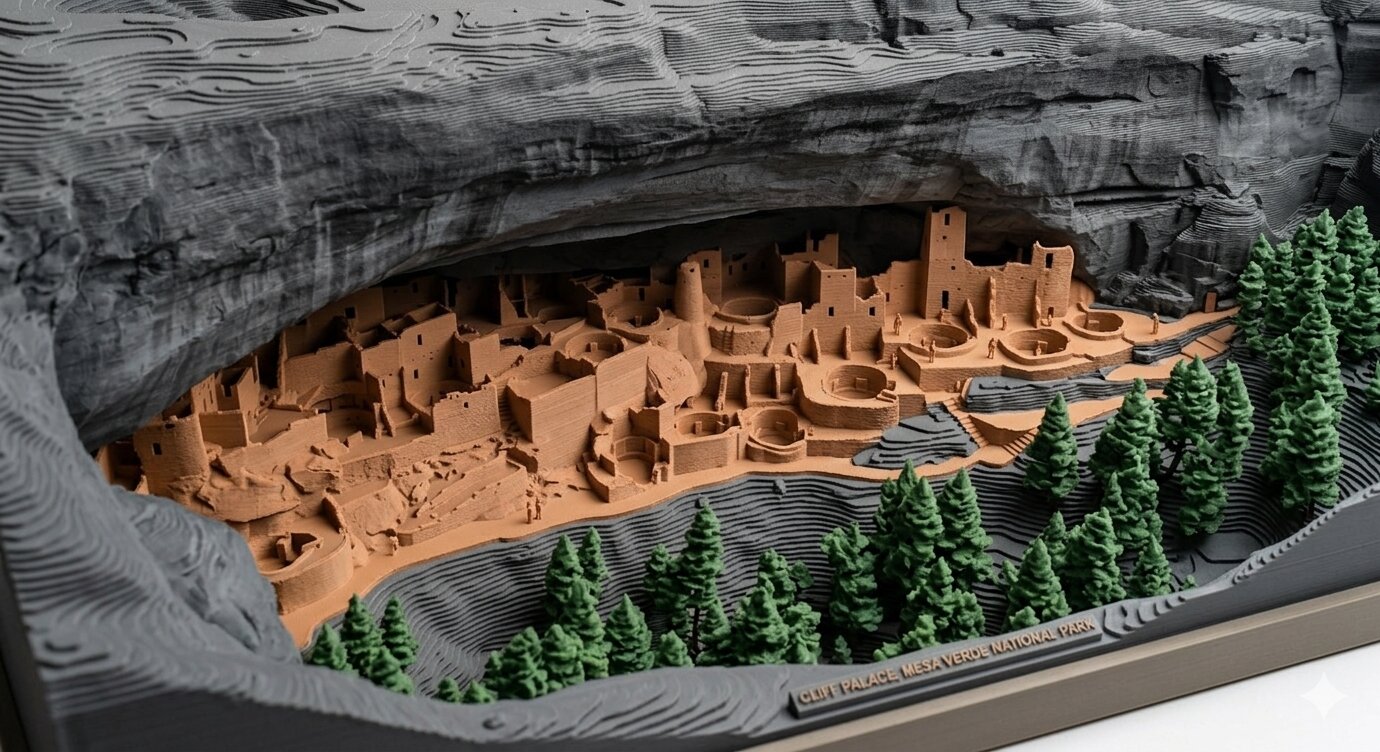
Websites, podcasts, 3D printing, interactive maps, AI-assisted research workflows—these are all things UNM students and faculty do at Amaranth, often starting from “I have no idea if this is worth it.”
You don’t need any experience. You need a project you love and enough curiosity to experiment. We help you find the right tool, understand what it actually does, and decide whether it’s worth your time.
AI has lowered the technical threshold on a lot of tasks that used to require dedicated technical staff: drafting code, structuring messy data, generating layout options, explaining unfamiliar workflows. That means there are more realistic starting points than there were even a short time ago. We can help you find them and use them without outsourcing your judgment.
Why we care about design
We think design matters, and not just aesthetically. The choices you make about how something looks and works shape what an audience can understand, what they notice, and whether they keep going. That is communication—as serious as the argument itself.
A website’s structure tells readers what you think matters. A poster either earns attention at a glance or it doesn’t. A podcast holds someone through an argument or loses them in the first two minutes. These are design problems, and thinking through them carefully is part of doing the work well.
We bring that sensibility to every collaboration. You don’t need to have studied design—you just need to be willing to think about your audience as seriously as you think about your evidence. We’ll help with the rest.
The studio also maintains a small collection of introductory design books—basic principles, typography, design history, visual inspiration. Come browse during studio hours. Looking at good design is one of the fastest ways to develop an eye for it.
Come in for a chat
Some of the best collaborations start with no clear destination: a dataset someone doesn’t know what to do with, an instinct that some form might serve a piece of work better than prose, a question about what’s even possible. You’re welcome to come and explore without committing to anything. We’re happy to think through options and see where it goes.
The guides below are good entry points if you want to explore a specific form. But the best way to find out whether Amaranth can help you is to come in and tell us what you’re working on.