Sketchbook Tags
Browse teaching sketches by subject.
Showing all sketchbook posts with tags.
AI Reading Investigation
Key questionHow does discussing a reading with AI affect a student’s interpretation?
ActivityStudents compare their first reading of an article with an AI discussion and explain what changed, if anything.
Learning aims- test a proposed interpretation against passages in an article
- identify where a summary changes or oversimplifies an argument
- develop a reading question from an initial uncertainty

AI as Second Opinion
Key questionWhat does AI see in a primary source, and what does it smooth over?
ActivityStudents compare their initial reading of historical diet books with an AI overview, then test both against the sources.
Learning aims- sample a long historical text and form an initial interpretation
- use tone, audience, and evidence to compare primary sources
- check an overview against specific passages
Argument Audit
Key questionWhich objections would improve this argument, and which miss the point?
ActivityStudents sort AI-generated objections to a draft, explain their decisions, and revise the claims that need work.
Learning aims- locate the claim an objection addresses
- explain why a criticism is relevant or mistaken
- revise an ambiguous or unsupported claim
Citation Test
Key questionHow can AI output help students learn scholarly integrity?
ActivityStudents check an AI-generated bibliography against catalogs, publisher records, and the sources themselves.
Learning aims- verify bibliographic details using independent records
- check whether an annotation represents its source
- document the evidence for accepting or questioning a citation
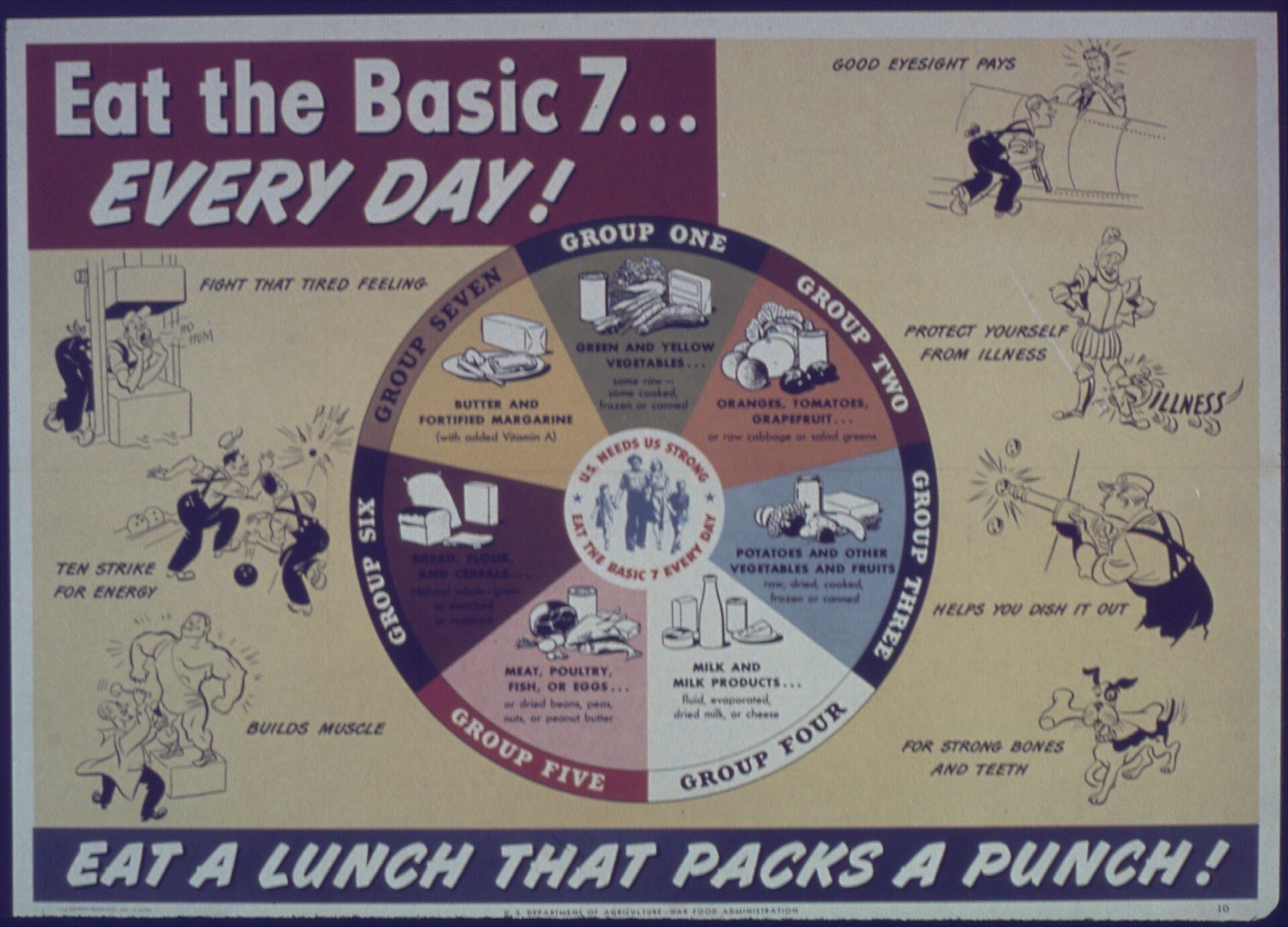
Complicate the Obvious
Key questionWhat does a confident, ordinary answer take for granted?
ActivityStudents use a semester of dietary history to examine the assumptions behind AI-generated advice about a healthy diet.
Learning aims- use course readings to interpret contemporary dietary advice
- develop follow-up questions from historical arguments
- explain how an answer presents evidence and expertise
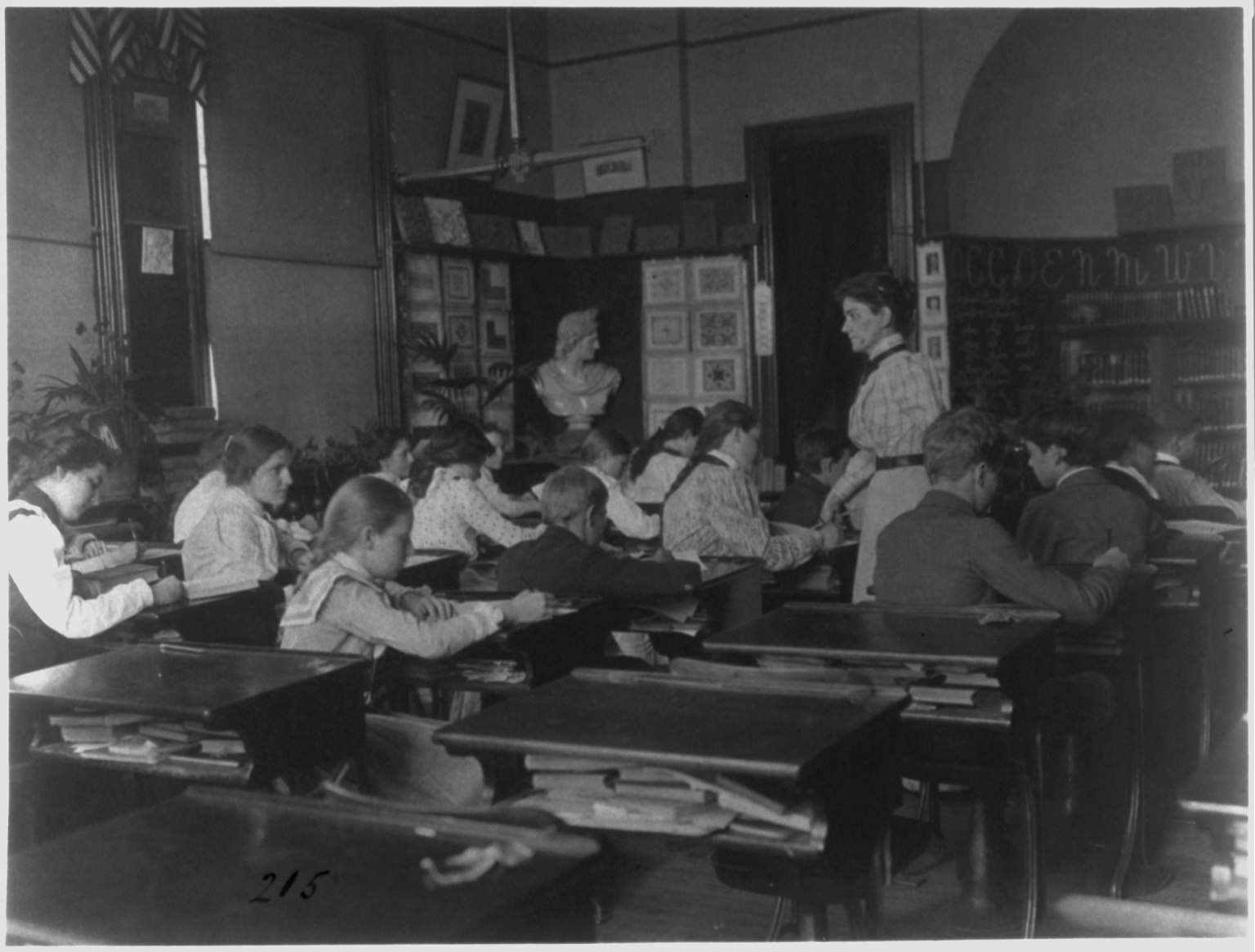
Design the AI Assignment
Key questionWhat does an assignment look like that uses AI to learn, not just to get an answer?
ActivityStudents design an AI-assisted exercise on a difficult concept, then observe a classmate trying it.
Learning aims- turn a broad learning goal into a task someone can attempt
- write and test instructions for another learner
- decide what evidence would show progress in understanding
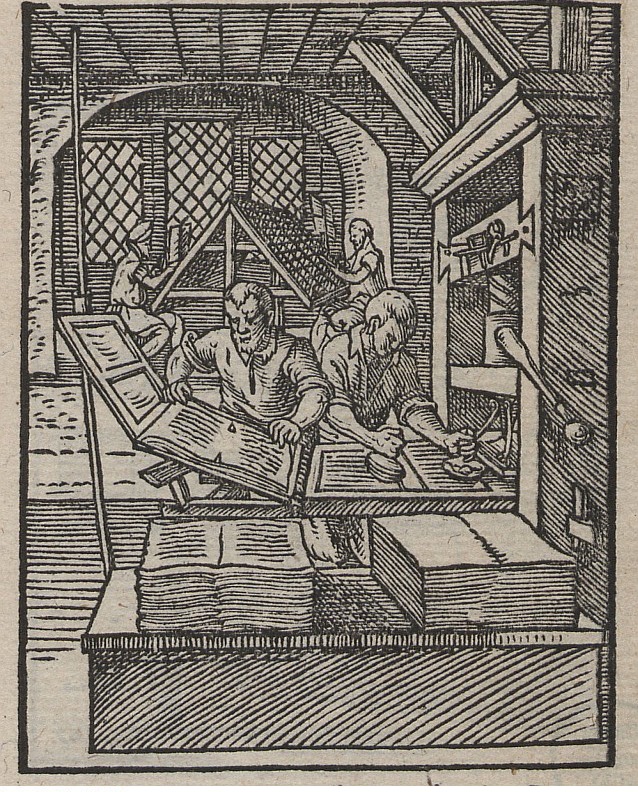
Disruptive Expertise
Key questionWhat can earlier disputes over information technologies tell us about the debate over AI?
ActivityStudents research earlier disputes over information technologies and publish case studies that test comparisons with AI.
Learning aims- find and verify sources for an unfamiliar historical topic
- evaluate a comparison between past technologies and AI
- write and revise a historical account for public readers
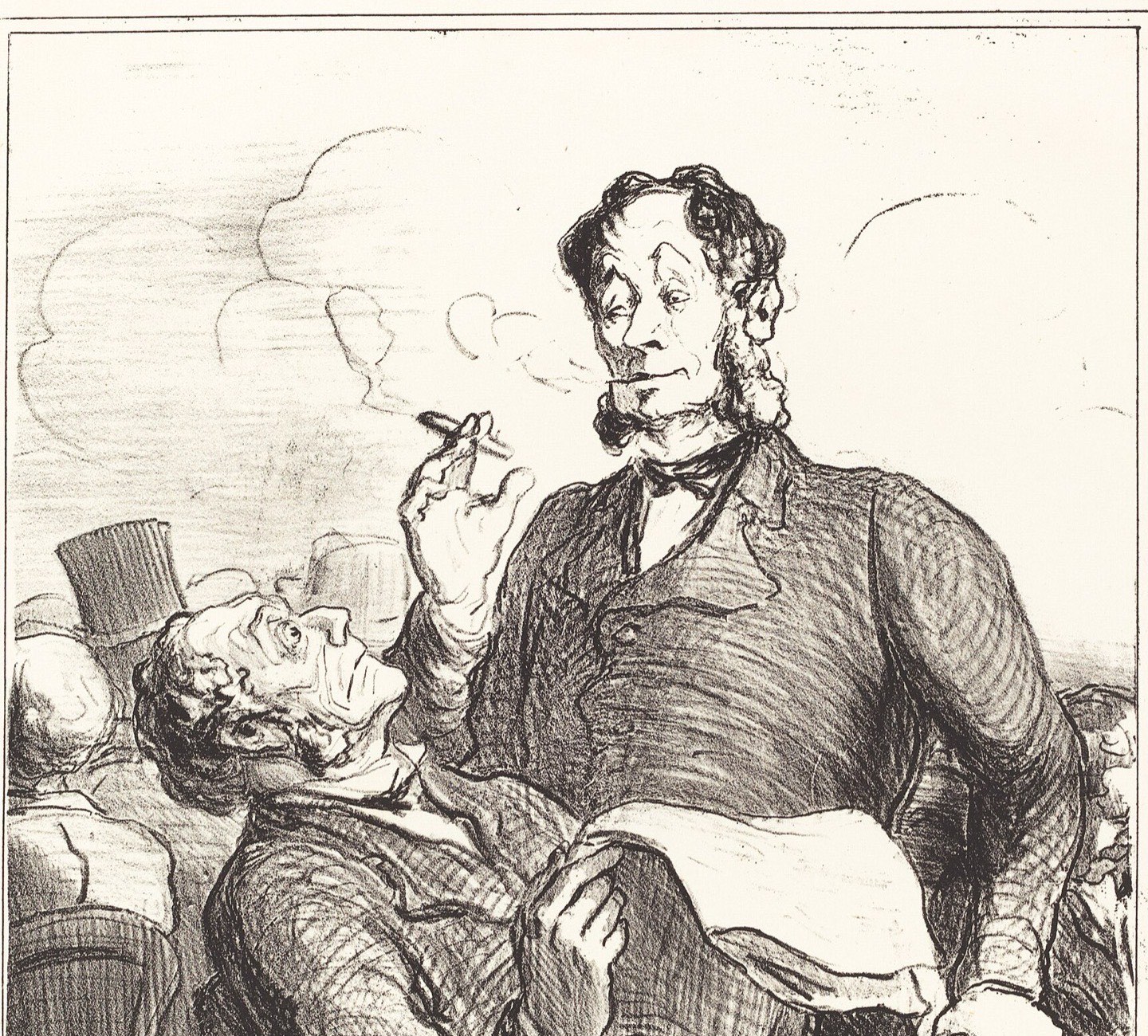
Historians' Café
Key questionCan AI represent a school of thought, or only its vocabulary?
ActivityStudents script an argument among three historians from different schools of thought, then judge whether AI captured real methodological differences or just swapped labels.
Learning aims- describe how historical approaches differ in evidence and assumptions
- evaluate a generated character against course readings
- revise a representation that reduces an approach to a label

How Else Could This Look?
Key questionWhat did this article decide to be about, and what did that decision cost?
ActivityStudents compare an encyclopedia entry’s allocation of attention with alternative versions organized around different historical questions.
Learning aims- distinguish a passing mention from a developed explanation
- support a criticism of a text with specific passages
- explain the choices and omissions involved in reorganizing an article
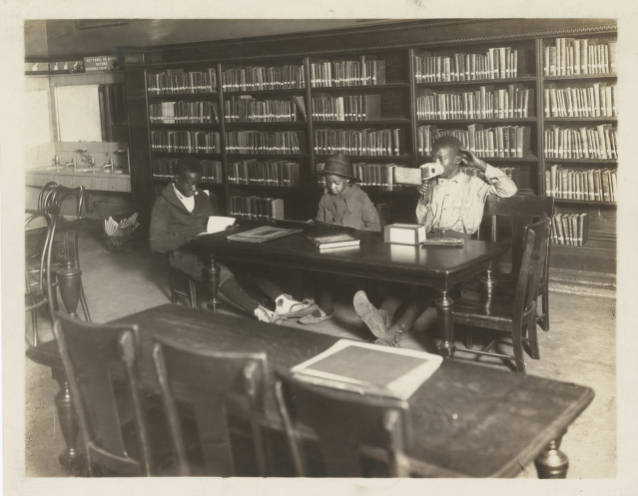
Narrate the Slides
Key questionWhat does a smooth narrative leave out of the images it strings together?
ActivityStudents compare an AI narration of historical images with details they can interpret using the course.
Learning aims- support an interpretation with visual and textual details
- examine the connections a narrative makes between sources
- explain what a short caption leaves out
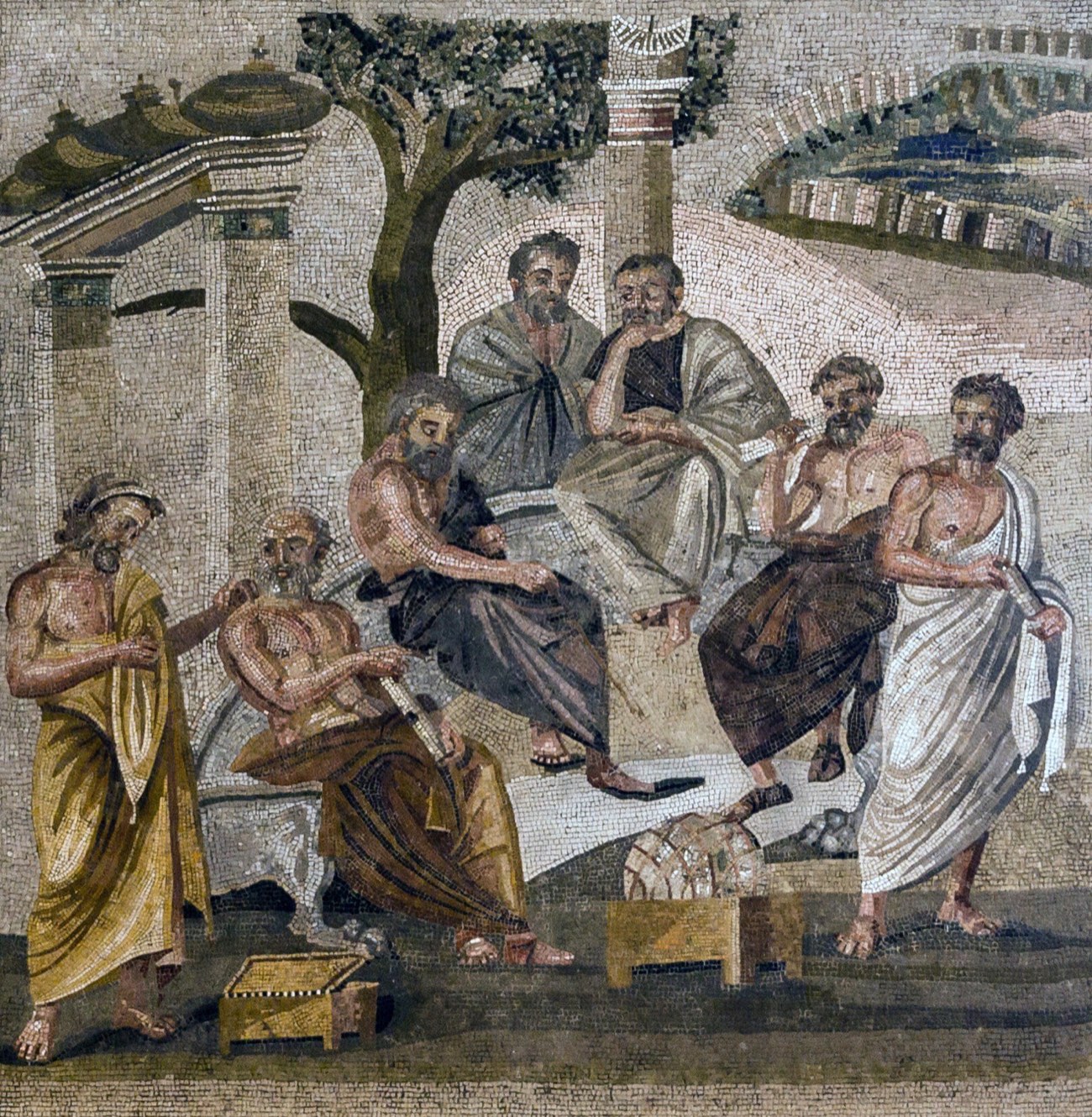
Remixing Plato
Key questionIf Plato's worries about writing were recast as worries about AI, what would change and what would stay the same?
ActivityStudents define characters and use AI to recast Plato’s argument about writing as a dialogue about AI.
Learning aims- explain a philosophical position well enough to write a character
- compare an argument across historical settings
- revise a dialogue when its characters fail to disagree clearly

Same Prompt, Different History
Key questionDoes the same prompt give everyone the same history?
ActivityStudents compare logged-in and anonymous responses to the same historical document, then investigate differences in emphasis.
Learning aims- identify the historical context a response includes or omits
- distinguish an observed difference from an explanation for it
- compare judgments about the past with questions about its circumstances
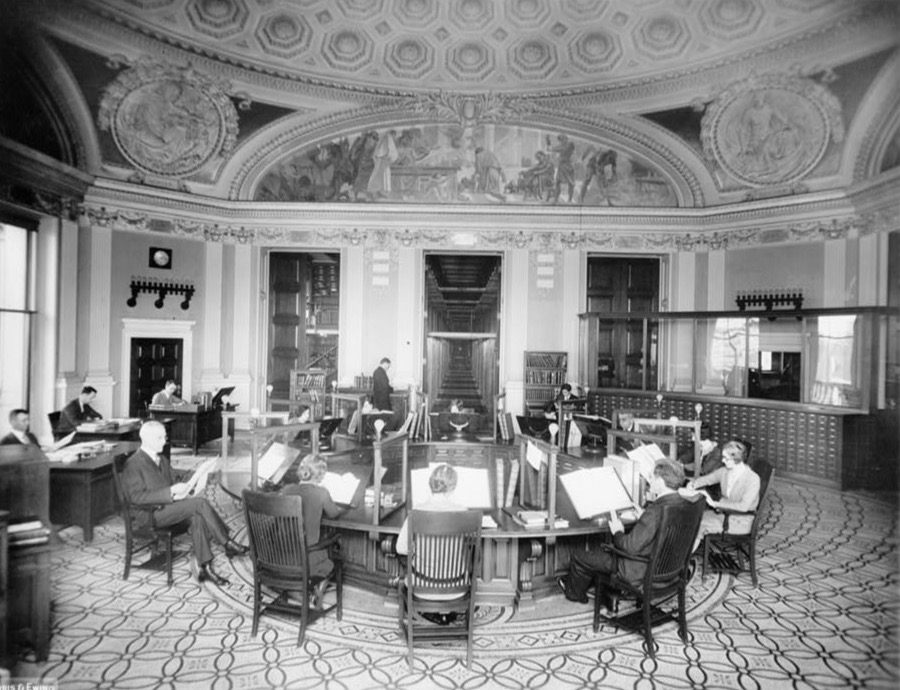
Take the AI Draft to the Archive
Key questionWhat changes when students test an AI history against archival sources?
ActivityStudents check an AI-generated local history against unpublished archival sources and explain how the evidence changes the account.
Learning aims- turn claims in a draft into questions for archival research
- cite and interpret unpublished sources
- distinguish a contradicted claim from one the available records cannot resolve
- consider how collecting and cataloging decisions shape an archive
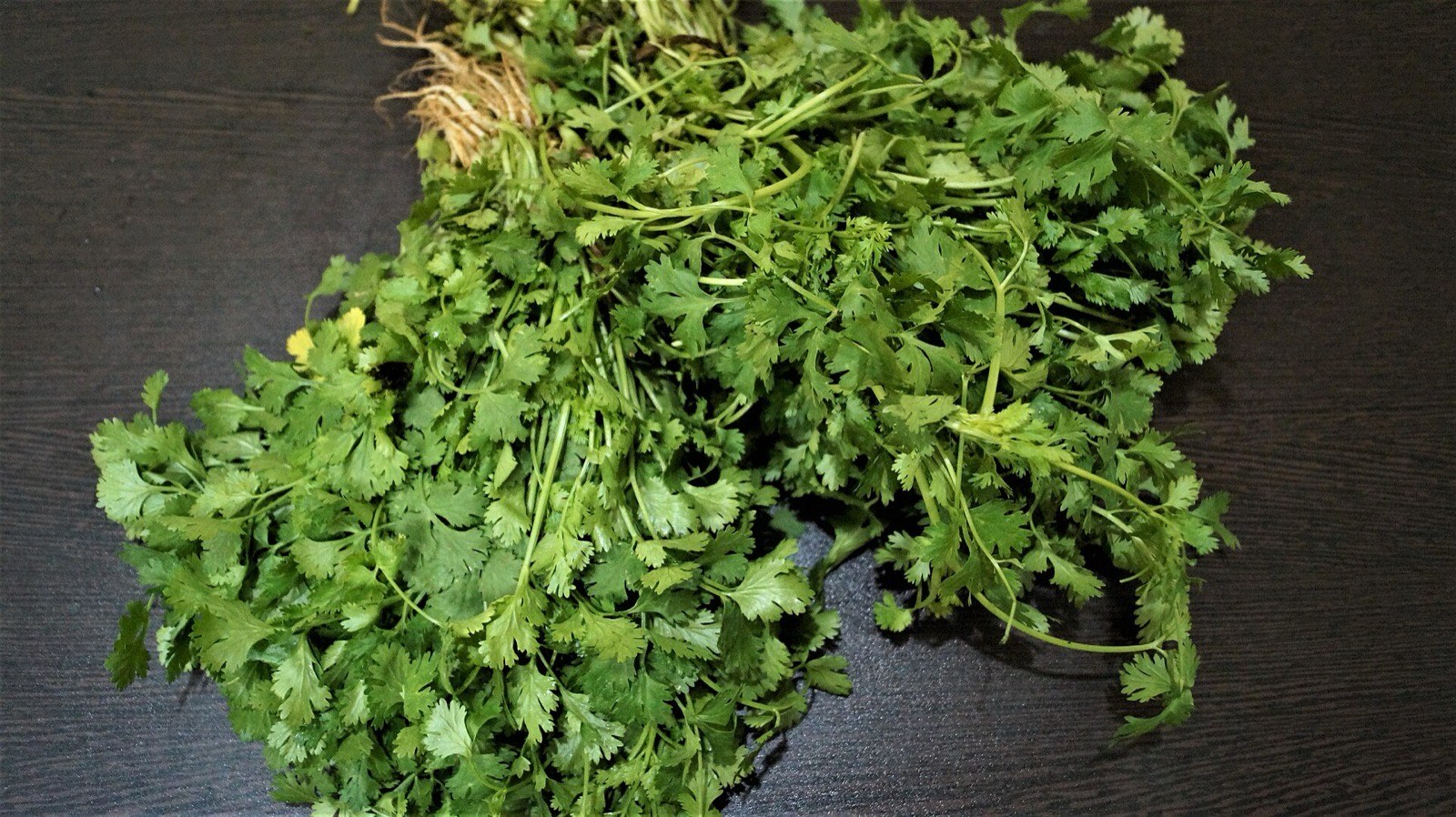
What Does Cilantro Taste Like?
Key questionHow do different models and settings change an answer to the same question?
ActivityCompare answers to a question about cilantro, then change model settings and examine the differences.
Learning aims- compare specific features of model responses
- change one setting at a time and describe its effect
- distinguish differences between models from differences between settings
No sketchbook posts match this tag yet.